Southwest Austin · Travis County
Aerobic Septic Maintenance in Southwest Austin, TX
Many newer acreage homes on rocky Southwest Austin ground use aerobic systems, which require a maintenance contract with a licensed provider under Texas rules. We check the aerator, test the alarm, inspect spray or drip components and confirm disinfection. City rules may add reporting requirements near the aquifer, so we keep clear records of each visit for your files. Regular visits also protect your warranty and resale value.
Aerobic Septic Maintenance for Southwest Austin homes
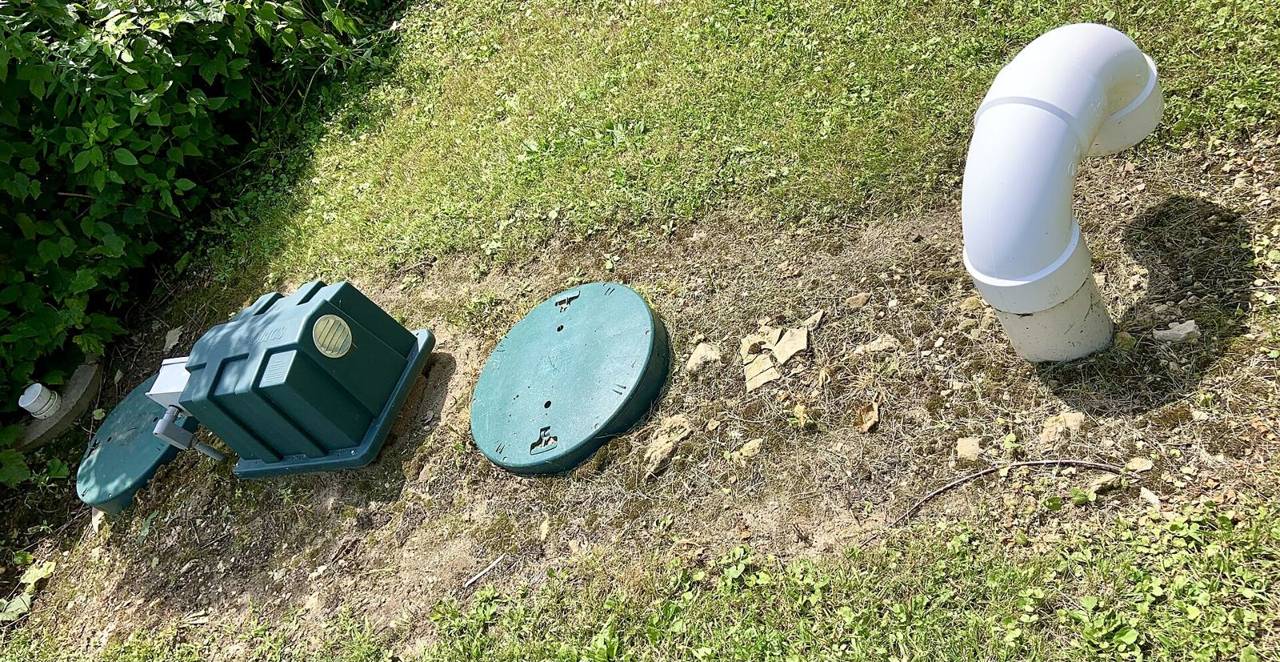
Aerobic systems are common on Southwest Austin lots where soil is too shallow or too rocky for a standard drain field. Instead of relying on deep soil, an aerobic treatment unit adds air to the tank, breaks waste down faster, and sends the treated water to spray heads or drip lines. That extra treatment is why the system needs regular, professional attention. Most contracts last for the term you sign, and for new systems Texas expects an initial period of coverage. The provider must hold a TCEQ license, so ask to see it. Reports from each visit go on file, and keeping your own folder of them means you can answer a city question or a buyer's request without scrambling.
Texas requires a maintenance contract with a TCEQ-licensed provider for aerobic systems, and the contract calls for visits several times a year. A typical visit means checking the air pump, testing the water leaving the unit, confirming chlorine is available if your design uses it, and walking the spray area. In Southwest Austin, the City of Austin's septic program issues the permit, so the paperwork trail starts there. The inside of an aerobic unit has several chambers: a pretreatment area where solids settle, an aeration chamber where air feeds the bacteria, a clarifier and a pump tank. Each can tell a story. Brown, lively water in the aeration chamber is healthy. Gray, stale or foamy water suggests too little air, too much soap or a recent heavy load of bleach.
Between visits, you play a real part. Keep an eye on the control panel for alarm lights, listen for a blower that has gone silent, and keep sprinkler areas free of foot traffic and mulch piles. Live oak leaf litter and cedar elm debris can bury heads in a single season. A short walk around the yard once a month often catches a small problem before it turns into a violation notice. Your habits shape how often the system needs help. Spread laundry across the week, use bleach and strong disinfectants sparingly, and skip anything marked antibacterial in large amounts. Keep grease out of drains and avoid flushing wipes. These small choices keep the bacteria working and cut down on service calls between scheduled visits.
What to know in Southwest Austin
Spray areas near greenbelt neighbors
Many Southwest Austin lots back up to greenbelt or share close property lines. A spray head aimed a little off target can put treated water where it should not go. During maintenance we check head position, coverage and runoff so the water stays on your own designated area, and we look for heads buried by leaf litter or knocked sideways by mowers.
Contract terms matter
Not every maintenance contract covers the same things. Ask what is included, such as parts, chlorine tablets or emergency visits, and which items are billed separately. Keep your copy, since the city and a future buyer may ask to see that service has continued without gaps. Think about asking for a written note on each visit about chlorine levels and the condition of the pump.
Summer heat and watering rules
Austin summers push aerobic systems hard. Hot weather speeds up algae in chlorine feeders and bakes dry soil under spray heads. Local drought restrictions on lawn watering do not change what your system must do, so talk with us about how to run the spray cycle responsibly. Run the spray zones at a time when the sun is low and the wind is calm if your design allows it.
Signs you may need aerobic septic maintenance
- Strong sewage or musty smell near the tanks or spray area
- Pooling or runoff from the spray heads
- Dead, matted or overly lush patches in the spray field
- No maintenance report or tag date in more than four months
How aerobic septic maintenance works
A routine visit follows a set pattern. The technician checks the control panel and alarm, the air pump and its filter, the aeration chamber, the clarifier and the disinfection unit. In most systems, disinfection uses chlorine tablets that must be replaced as they dissolve. The technician also looks at the spray heads or drip lines to be sure the water spreads evenly and does not pool or run off the property. The state rule calls for a weather-resistant tag on the system that is marked with the date of each check. When the visit ends, the technician finishes a report that goes to you and to the permitting authority, and you should keep your copy with your other septic records.
Some of the best maintenance happens between visits. Listen for the air pump, which should hum steadily. Walk the spray area now and then and look for matted grass, dead patches, pooling or odors. Keep the control panel dry and the breaker on. Do not shut off the system when you travel, because the bacteria need air to stay alive. If an alarm sounds, silence it, note the time and call for service. Go easy on bleach, antibacterial cleaners and drain openers, which can harm the bacteria. Watch what goes down the drain too. Grease, wipes, cat litter and coffee grounds do not belong in any septic system, and an aerobic unit is no exception to that rule. A few minutes of attention each month can head off a service call and keep your reports clean.
What to expect on a Southwest Austin visit
- 01
Review your contract and system records
We start by looking at your permit, your as-built drawing and your current contract, if you have one. This tells us the system brand, the type of disinfection, the spray or drip layout and any county requirements. We also note when your last reports were filed. This homework saves time in the field.
- 02
Check the control panel and alarm
We test the alarm, check the breakers and look at the timer settings. A working alarm is your early warning when something fails. We also look for water damage, loose wires and insects inside the panel, which are common problems in Texas heat and humidity. We note anything that needs follow-up.
- 03
Inspect the tanks and air system
We open the lids and look at each chamber. We check the air pump, the diffuser and the airflow, and we note the water color and smell. These clues show whether the bacteria are healthy and whether solids are building up faster than they should. We record what we see for the report.
- 04
Test and service disinfection
We check the disinfection unit and replace tablets when needed. We test the treated water as the rules call for and watch for any sign that the unit is not working. Using the wrong chlorine product can damage equipment, so we use only what the manufacturer allows. Results go into your written report.
- 05
Walk the spray or drip field
We check each spray head or drip line for clogs, leaks and even coverage. We look for pooling, runoff and the distance from property lines, wells and structures. Adjusting heads and clearing debris keeps the system working as designed and protects your yard. We photograph problem spots when that helps.
- 06
Tag, report and recommend next steps
We mark the tag on the system with the date of the check, finish the written report and send it where it needs to go. We then tell you about any parts that are wearing out, when pumping is due and when the contract needs to be renewed. You keep a copy for your files.
Our approach in Southwest Austin
- We locate and open your tank, aerobic unit and dispersal area, including buried lids common on older Southwest Austin properties
- We explain what we find in plain language, with photos where they help
- Repairs and installs are planned around Travis County permitting requirements
- You get written options before any repair work begins
- Aerobic visits are recorded for your maintenance contract
Septic conditions around Southwest Austin
How do you confirm your wastewater status? Austin Water maintains an interactive map of OSSF jurisdiction that also shows whether a parcel sits on the Edwards Aquifer Recharge Zone or in the Barton Springs segment. Check it along with your utility bill. A wastewater line item means you are likely on city sewer. Water-only bills, or a private well, usually point to septic. Older permits are often available from the city. The distinction matters when you buy a home. An older Southwest Austin lot with mature trees may have a tank placed decades ago, with records that are incomplete. An inspection helps you learn the tank location, the system type and the field condition, and it identifies whether the home would be a candidate to connect to the city sewer if a line becomes available nearby.
Aerobic Septic Maintenance questions from Southwest Austin homeowners
Is an aerobic maintenance contract really required in Austin?
Yes. Texas rules require owners of aerobic systems to keep a maintenance contract with a TCEQ-licensed provider, and permitting offices follow up on that. Letting the contract lapse can lead to notices or trouble at resale, so keep it current. Ask the City of Austin septic program or Travis County, whichever issued your permit, if you are unsure what your file requires.
What happens during a routine aerobic service visit?
We open the tank and check the air supply, look at the water in the final chamber, test the disinfection step, inspect the pump and float switches, and run the spray system through a cycle. We record our findings and tell you what needs repair. Small adjustments, like repositioning a head or clearing a filter, are often handled on the spot.
My alarm is beeping. Should I wait for the next visit?
No. Silence the alarm if your panel allows, note which light is on, and call. An alarm usually means a failed pump, a stuck float or low air, and the tank can fill fast. Avoid heavy water use such as laundry and long showers until the unit has been looked at, and never open the electrical box yourself. Write down the time and the alarm type for us.
How often does the maintenance provider have to visit?
Your contract states how often routine maintenance and testing will happen. TCEQ requires the provider to send a report to the permitting authority and the owner at least once every four months. Systems with an electronic monitor may follow a longer reporting schedule. Read your contract and ask your provider to confirm the schedule. Keep every report you receive, since they document that the system has been serviced on time.
What does a licensed maintenance provider have to be?
TCEQ licenses the provider as an individual person, not a company. The person must meet training and licensing standards set by the state. When you hire someone, ask for their license number and check it with TCEQ. A company may employ licensed providers, but the license belongs to the person who does the work. A written contract should also list the provider's contact information so you know who to call.
How long is the first maintenance contract on a new system?
State rules describe an initial two-year service policy that begins when the system is first used. Hays County requires an initial two-year contract for new aerobic systems and asks owners to have a new contract in place at least 30 days before the old one ends. Other counties may differ, so call your permitting office. Put the renewal date on your calendar so the contract never lapses.
More about aerobic septic maintenance → · All septic services in Southwest Austin →
Need aerobic septic maintenance in Southwest Austin?
Call or send a request. We will ask a few questions about your system and the property, then schedule a visit.