Lakeway · Travis County
Aerobic Septic Maintenance in Lakeway, TX
Lakeway acreage and some lakeside lots use aerobic systems because rock and slope limit conventional fields. These units need a maintenance contract with a licensed provider under Texas rules. We check the aerator and pump, test alarms and floats, inspect spray or drip components and confirm disinfection. You receive a record of each visit, which helps at sale time and keeps the system running as designed.
Aerobic Septic Maintenance for Lakeway homes
Where Lakeway homes are not on sewer, they often rely on an aerobic system. Limestone close to the surface, steep lots, and the proximity of Lake Travis all make a simple gravity field hard to permit, and an aerobic unit that treats water to a higher standard is a common answer. Texas requires a maintenance contract with a TCEQ-licensed provider for these systems. Aerobic septic maintenance in Lakeway is the work that keeps that equipment honest and your paperwork in order. A hillside spray area behind a Lakeway home may be mowed by a lawn crew that has never seen the system. We suggest flagging heads and giving your crew simple instructions, since a clipped head is one of the most common service calls.
On a typical visit we test the air supply, inspect the aeration chamber and clarifier, check chlorine, and test floats, timers, and the alarm. The disposal stage gets equal attention. Many lake-area systems send treated water to spray heads or drip lines across a lawn or slope above the water. A head that has shifted, a clogged emitter, or a timer that runs too long can send water toward a driveway, a neighbor, or the shoreline. Keeping effluent where the permit says it belongs is part of protecting the lake that makes the area valuable. If you are building or buying, ask for the maintenance history before closing. A unit with regular reports is easier to trust than one with a gap of several years.
Because Lakeway properties near Lake Travis often fall within LCRA's on-site sewage program, records matter. LCRA regulates systems within 2,000 feet of the lake, and it maintains a reinspection process for continued use of a system. Your service reports can support that process, and they also help at a sale. We keep our reports clear and dated, and we point out when a reading is drifting, so you can fix it before it becomes a failure. We encourage owners to learn what normal looks and sounds like. The hum of the compressor, the clean look of the clarifier, and the pattern of the sprinklers are all clues that something has changed.
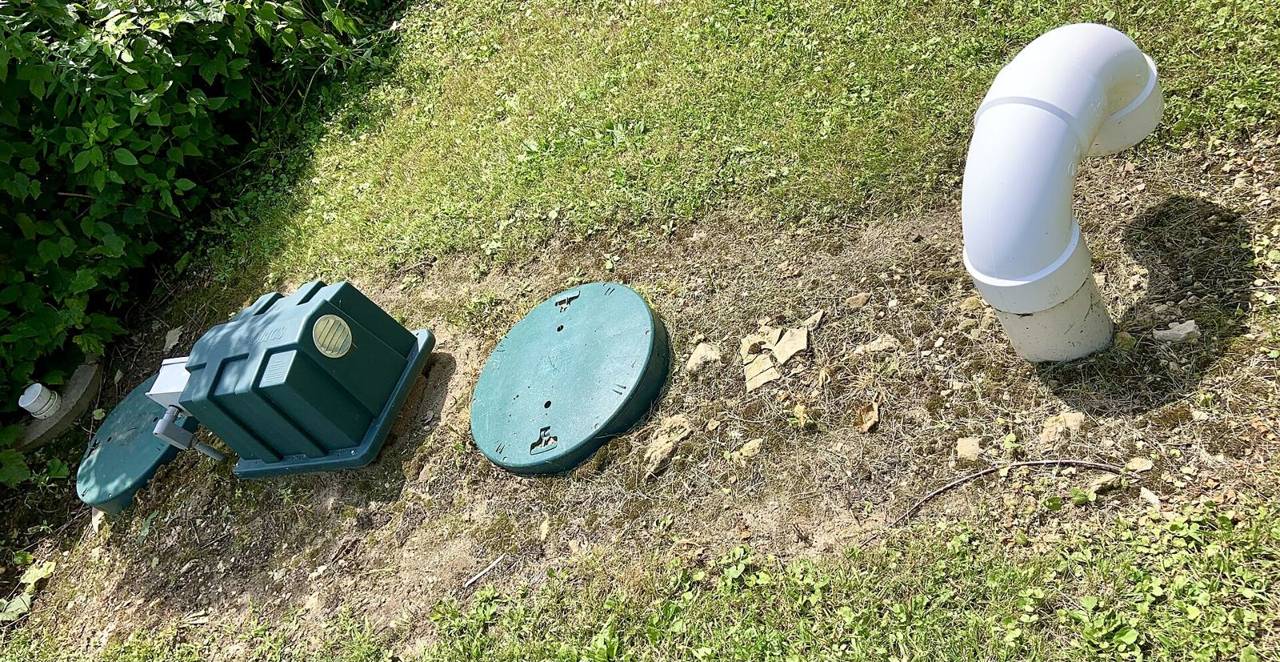
What to know in Lakeway
Spray and drip areas near the shoreline
Treated water placed close to the lake needs careful control. We check that heads cover only the permitted area, that nothing sprays onto hardscape or toward the water, and that the timer matches the design. Small adjustments here protect both your lawn and the lake. Test the alarm switch on your panel if it has one, and note how it sounds.
Vacant weeks and tablet chlorine
Homes that sit empty can run low on flow, and chlorine tablets may dissolve unevenly or sit in a dry feeder. Before leaving for a long stretch, ask your provider how to set the system. When you return, check the panel and walk the spray area before heavy use. Keep spare chlorine tablets of the right type in a dry place, away from other chemicals.
Power flickers and storms
Lake-area storms bring outages and surges that can disable a compressor or scramble a timer. A surge protector on the unit's circuit is a small cost compared to replacing a board. After any outage, check that the panel shows normal and that the compressor is running. After a surge or outage, look at the panel before assuming everything restarted.
Signs you may need aerobic septic maintenance
- Air pump that is silent, rattling or unusually loud
- Strong sewage or musty smell near the tanks or spray area
- Pooling or runoff from the spray heads
- Dead, matted or overly lush patches in the spray field
How aerobic septic maintenance works
For a new aerobic system, the first contract has a set length. The state rule describes an initial two-year service policy that starts when the system is first used. Hays County requires an initial two-year contract for new aerobic systems, and its paperwork says the owner needs a new contract in place at least 30 days before service would end. After the first two years, a single-family homeowner can either keep a licensed provider or, for certain system types, do the maintenance personally. Some counties require homeowner training or do not allow owner maintenance at all. Check with your permitting authority before you decide to go it alone, since the wrong choice can lead to a notice of violation and extra cost.
A routine visit follows a set pattern. The technician checks the control panel and alarm, the air pump and its filter, the aeration chamber, the clarifier and the disinfection unit. In most systems, disinfection uses chlorine tablets that must be replaced as they dissolve. The technician also looks at the spray heads or drip lines to be sure the water spreads evenly and does not pool or run off the property. The state rule calls for a weather-resistant tag on the system that is marked with the date of each check. When the visit ends, the technician finishes a report that goes to you and to the permitting authority, and you should keep your copy with your other septic records.
What to expect on a Lakeway visit
- 01
Review your contract and system records
We start by looking at your permit, your as-built drawing and your current contract, if you have one. This tells us the system brand, the type of disinfection, the spray or drip layout and any county requirements. We also note when your last reports were filed. This homework saves time in the field.
- 02
Check the control panel and alarm
We test the alarm, check the breakers and look at the timer settings. A working alarm is your early warning when something fails. We also look for water damage, loose wires and insects inside the panel, which are common problems in Texas heat and humidity. We note anything that needs follow-up.
- 03
Inspect the tanks and air system
We open the lids and look at each chamber. We check the air pump, the diffuser and the airflow, and we note the water color and smell. These clues show whether the bacteria are healthy and whether solids are building up faster than they should. We record what we see for the report.
- 04
Test and service disinfection
We check the disinfection unit and replace tablets when needed. We test the treated water as the rules call for and watch for any sign that the unit is not working. Using the wrong chlorine product can damage equipment, so we use only what the manufacturer allows. Results go into your written report.
- 05
Walk the spray or drip field
We check each spray head or drip line for clogs, leaks and even coverage. We look for pooling, runoff and the distance from property lines, wells and structures. Adjusting heads and clearing debris keeps the system working as designed and protects your yard. We photograph problem spots when that helps.
- 06
Tag, report and recommend next steps
We mark the tag on the system with the date of the check, finish the written report and send it where it needs to go. We then tell you about any parts that are wearing out, when pumping is due and when the contract needs to be renewed. You keep a copy for your files.
Our approach in Lakeway
- We locate and open your tank, aerobic unit and dispersal area, including buried lids common on older Lakeway properties
- We explain what we find in plain language, with photos where they help
- Repairs and installs are planned around Travis County permitting requirements
- You get written options before any repair work begins
- Aerobic visits are recorded for your maintenance contract
Septic conditions around Lakeway
Lakeway is a mostly built-out lakeside city with golf, marinas and large homes along RR 620 and Lohmans Crossing. Because it grew with a central utility in mind, a large share of homes connect to sewer through Lakeway Municipal Utility District, which provides wastewater service to a portion of the city and some nearby areas. If your home is on the district's sewer, you do not own a septic tank, and we will tell you that honestly. Septic systems still exist in specific pockets. Local reporting has noted older sections of the city, such as Section 17, where homes use septic, though the details may have changed over time. Beyond the city limits, acreage and ranch properties on the roads west and north of Lakeway are almost entirely on septic. Those lots are where most of our Lakeway-area calls come from.
Aerobic Septic Maintenance questions from Lakeway homeowners
Does LCRA require anything extra for aerobic systems near Lake Travis?
LCRA is the authorized agent within 2,000 feet of Lake Travis and runs its own permitting and reinspection process. Details, forms, and fees change, so check LCRA's current requirements for your address. Texas rules still require a maintenance contract for aerobic systems, and your provider's reports are useful records for either process. Ask whether your provider checks the pump tank floats and discharge line, not only the main tank.
Can I leave my aerobic system running while I travel?
Generally yes, and you should leave the power on so the compressor keeps oxygen in the tank. Turning it off can kill the helpful bacteria. Let your provider know about long absences, make sure chlorine is stocked, and consider a visit after your return to confirm that everything is working normally. Keep records of any parts replaced. LCRA or a buyer may ask for them.
What are common reasons an aerobic tank smells?
A weak or stopped compressor, an overdue pumping, a failed diffuser, or heavy chemical use can all cause odors. A well-running tank should smell only mildly earthy. If you notice a sewage smell near the tank or spray field, call us. Do not wait, since poor treatment can reach the yard quickly. Heavy irrigation near the spray area can saturate the ground. Adjust sprinklers so they do not overlap.
Do I have to have a maintenance contract on an aerobic system in Texas?
In most cases, yes. TCEQ rules require aerobic systems on homes to be covered by a maintenance contract with a licensed maintenance provider. After the initial two-year policy, some single-family owners may maintain certain systems themselves, but local rules can be stricter. Check with your county permitting office before you decide. Your contract is also the first thing a buyer or lender will ask to see.
How often does the maintenance provider have to visit?
Your contract states how often routine maintenance and testing will happen. TCEQ requires the provider to send a report to the permitting authority and the owner at least once every four months. Systems with an electronic monitor may follow a longer reporting schedule. Read your contract and ask your provider to confirm the schedule. Keep every report you receive, since they document that the system has been serviced on time.
What does a licensed maintenance provider have to be?
TCEQ licenses the provider as an individual person, not a company. The person must meet training and licensing standards set by the state. When you hire someone, ask for their license number and check it with TCEQ. A company may employ licensed providers, but the license belongs to the person who does the work. A written contract should also list the provider's contact information so you know who to call.
More about aerobic septic maintenance → · All septic services in Lakeway →
Need aerobic septic maintenance in Lakeway?
Call or send a request. We will ask a few questions about your system and the property, then schedule a visit.