Kyle · Hays County
Aerobic Septic Maintenance in Kyle, TX
Aerobic systems around Kyle are used where soil is too shallow or too clay-heavy for a conventional field. Service covers the aerator and air pump, alarm, filters, disinfection and spray or drip areas. On wet clay, we look closely for pooling. Hays County requires an initial two-year maintenance contract on new aerobic systems, and a licensed provider handles the visits and paperwork so your system stays in good standing.
Aerobic Septic Maintenance for Kyle homes
Heavy clay is the reason many rural Kyle homes have aerobic treatment units instead of ordinary trench fields. Clay absorbs water slowly, so designers often choose an ATU with spray or drip distribution to get treated water onto the surface in a controlled way. If your property sits off FM 150, near Bunton Creek or on acreage east of the interstate, an aerobic system is a real possibility. Homes inside city sewer service do not have one. The disinfection stage deserves a note. Most Kyle-area ATUs use chlorine tablets, and the wrong product, such as pool tablets with stabilizers, can foul the feeder and damage components. We confirm the tablet type, level and flow at every visit. Treated water reaching the spray field must meet disinfection expectations, and a feeder that runs empty between visits quietly breaks that rule.
Texas requires a maintenance contract for aerobic systems, and Hays County requires an initial two-year contract on new ones. During that time, a licensed provider visits about every four months. We check the air pump, aeration chamber, clarifier, disinfection feed, pump tank, alarm and spray heads. We also walk the spray area, because a pump that runs perfectly can still deliver water to the wrong place or in the wrong amounts. Read the report we leave. It lists tank levels, pump runtime, alarm tests, spray head checks and any parts replaced. Keep these in a folder with the permit and contract. If a buyer, lender or county inspector ever asks for proof of maintenance, you can hand it over in a minute rather than hunting for it.
When the initial period ends, the contract does not. The county asks single-family owners to secure a new contract at least 30 days before the old one expires. It also requires that a signed contract reach Development Services within 30 days after a sale. Kyle's busy housing market means many acreage homes change hands, and an ATU that nobody mentions can fall out of compliance. If you recently bought here, ask for the system's service history. If you are new to owning an ATU, expect a learning curve. The unit hums, the spray cycles run on a timer and the alarm is loud for good reason. Walk the property with us once so you know where the tanks, panel and heads are. People who understand their systems catch problems sooner and spend less over time.
What to know in Kyle
Spray on swelling clay
Clay that cracks in August and swells in April changes how spray water behaves. Cracks can channel water downward quickly, while swollen ground sheds it. Seasonal checks of head positions help the system keep water where the design intended. Ask us to check the intake filter and enclosure. Dust from gravel drives and cut hay clogs filters faster than people expect.
Heat and the compressor
Central Texas summers push compressors hard. Shade, ventilation and clean intake filters extend their life. Do not stack boxes or plant shrubs around the unit. A hot compressor wears faster and may fail in the middle of a heat wave. A wet corner of the spray area after a storm is normal. A wet corner on a dry week is not. Tell us if you see it.
Proximity to growing neighborhoods
Acreage in Kyle's outskirts sometimes borders new subdivisions. Spray water crossing a property line becomes a neighbor issue fast. We verify coverage and fence-line distances during each visit. Mark head locations with flags before mowing or brush clearing so they stay intact.
Signs you may need aerobic septic maintenance
- No maintenance report or tag date in more than four months
- Contract has expired or you cannot find a copy
- Alarm light or buzzer on the control panel
- Air pump that is silent, rattling or unusually loud
How aerobic septic maintenance works
A good maintenance relationship saves money and stress. Most aerobic problems start small, such as a clogged air filter, a worn diaphragm, a low chlorine level or a plugged spray head. Caught early, these are quick fixes. Caught late, they can lead to pump burnout, untreated water on the ground and expensive repairs. Keep copies of every report and contract, since buyers, lenders and county staff may ask for them. If you are not sure whether your system is covered, call your county permitting office or ask us to help you find the paperwork. We can also pump the tank when it is due and handle small repairs on the same visit, which saves you a trip. Staying organized with your records also makes selling the home easier, since buyers often want to see service history.
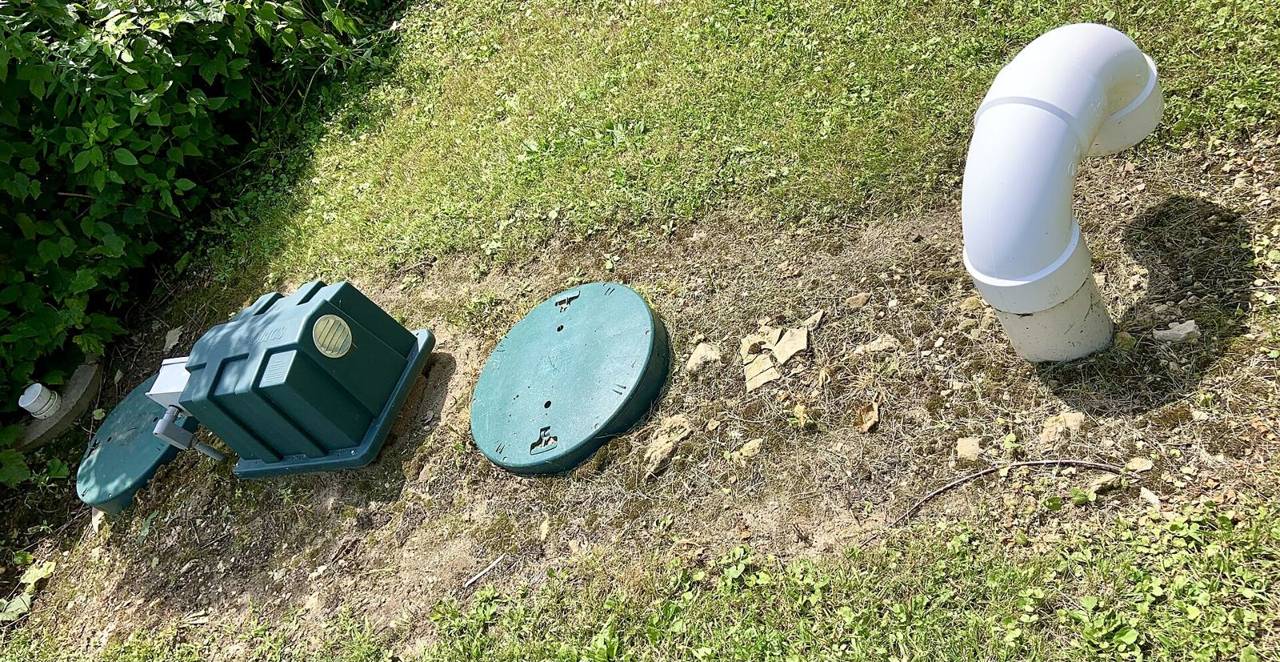
An aerobic treatment unit, often called an ATU, cleans household wastewater with air and bacteria. A typical system has a trash tank where solids settle, an aeration chamber where an air pump feeds the bacteria, a clarifier where the water settles again, and a disinfection step before the water goes to the spray heads or drip lines. Because the system has moving parts, electrical controls and chemicals, it needs regular care. Aerobic septic maintenance in Dripping Springs and across the Hill Country is not just a good habit. In Texas, aerobic systems on homes must be covered by a maintenance contract with a licensed maintenance provider. That rule exists because a neglected unit can put poorly treated water on the ground, where family, pets and neighbors can come into contact with it.
What to expect on a Kyle visit
- 01
Review your contract and system records
We start by looking at your permit, your as-built drawing and your current contract, if you have one. This tells us the system brand, the type of disinfection, the spray or drip layout and any county requirements. We also note when your last reports were filed. This homework saves time in the field.
- 02
Check the control panel and alarm
We test the alarm, check the breakers and look at the timer settings. A working alarm is your early warning when something fails. We also look for water damage, loose wires and insects inside the panel, which are common problems in Texas heat and humidity. We note anything that needs follow-up.
- 03
Inspect the tanks and air system
We open the lids and look at each chamber. We check the air pump, the diffuser and the airflow, and we note the water color and smell. These clues show whether the bacteria are healthy and whether solids are building up faster than they should. We record what we see for the report.
- 04
Test and service disinfection
We check the disinfection unit and replace tablets when needed. We test the treated water as the rules call for and watch for any sign that the unit is not working. Using the wrong chlorine product can damage equipment, so we use only what the manufacturer allows. Results go into your written report.
- 05
Walk the spray or drip field
We check each spray head or drip line for clogs, leaks and even coverage. We look for pooling, runoff and the distance from property lines, wells and structures. Adjusting heads and clearing debris keeps the system working as designed and protects your yard. We photograph problem spots when that helps.
- 06
Tag, report and recommend next steps
We mark the tag on the system with the date of the check, finish the written report and send it where it needs to go. We then tell you about any parts that are wearing out, when pumping is due and when the contract needs to be renewed. You keep a copy for your files.
Our approach in Kyle
- We locate and open your tank, aerobic unit and dispersal area, including buried lids common on older Kyle properties
- We explain what we find in plain language, with photos where they help
- Repairs and installs are planned around Hays County permitting requirements
- You get written options before any repair work begins
- Aerobic visits are recorded for your maintenance contract
Septic conditions around Kyle
Knowing which category your address falls into is the most useful thing a Kyle homeowner can do. Check your utility bill for a sewer charge. If you have one, you are connected. If you do not, you most likely have a tank somewhere in the yard. Properties along FM 150 outside the city, on county roads and in unincorporated pockets near Kyle generally rely on septic or aerobic treatment. Be careful with annexation, too. A property that was rural a few years ago may now be inside city limits, though that does not automatically mean sewer service has reached it. If a line becomes available, the city may require or encourage connection, so ask. Until then, an existing septic system still needs regular pumping and care, and neglect on a small lot can affect neighbors quickly.
Aerobic Septic Maintenance questions from Kyle homeowners
Why do so many rural Kyle properties use aerobic systems?
Clay soil drains slowly, which makes conventional trench fields hard to permit. An aerobic unit treats the water to a higher level and distributes it by spray or drip, which suits tight soils. Each lot is different, and the site evaluation decides what the designer can propose. Ask for the visit report each time, even if everything is fine. A clean record is worth keeping.
What does a maintenance visit include?
We inspect the air pump, check the tanks for proper levels and solids, test alarms and floats, review the disinfection feeder and look at spray heads and coverage. We record findings in a report for your files and the county. Ask questions during the visit. It is a good time to learn how your system works. Your provider must be licensed through TCEQ. Ask to see the license if you are unsure.
What if I let my contract lapse?
A lapse can create compliance problems with Hays County, and it may complicate a sale. It also means no one is checking a system that can fail quietly. If your contract has expired, arrange a new one and have the system inspected so you know its condition. Set a calendar reminder for contract renewal and send the new contract to the county on time.
What are the chlorine tablets for?
Aerobic systems disinfect treated water before it is sprayed or dripped onto the ground. Chlorine tablets in a disinfection unit do that job. They dissolve slowly and must be replaced as they wear down. Do not substitute pool tablets, which can contain other chemicals that damage equipment. Your provider uses the product your system was designed for. If the tablet holder runs empty, treated water may go onto the ground without proper disinfection, so call for service.
Why does my aerobic system have a tag on it?
State rules call for a weather-resistant tag on the system, often placed on the motor cover, control panel or breaker box. The provider marks the date of each check on it. The tag lets the county, a buyer or an inspector see at a glance that the system is being serviced on schedule. If the tag is missing or faded, ask your provider to replace it at the next visit.
Can I turn off my aerobic system when I am away?
It is best not to. The bacteria that treat your wastewater need air, and a long shutdown can kill them. A restart can then take time to recover. If you will be gone for a long period, talk to your provider about the right steps for your system, and keep the breaker on unless told otherwise. Never unplug the air pump to save electricity, because the savings are small and the risk is large.
More about aerobic septic maintenance → · All septic services in Kyle →
Need aerobic septic maintenance in Kyle?
Call or send a request. We will ask a few questions about your system and the property, then schedule a visit.