Henly · Hays County
Aerobic Septic Maintenance in Henly, TX
Aerobic systems in Henly are common on newer acreage homes where shallow rock rules out a standard field. Routine service covers the aerator and air pump, the alarm, the disinfection stage, filters and the spray heads or drip zones. Power matters here, since outages and surges are more frequent on rural lines. New Hays County aerobic systems need an initial two-year maintenance contract, and a licensed provider handles those visits and the paperwork.
Aerobic Septic Maintenance for Henly homes
Plenty of newer Henly homes were built on thin, rocky soil where a standard tank and trench would not pass permitting, so an aerobic treatment unit, or ATU, was installed instead. An ATU uses an air pump to feed oxygen to bacteria, then disinfects the water and sprays or drips it over the yard. It works well, but only when someone looks after it. Texas requires a maintenance contract for aerobic systems, and Hays County requires an initial two-year contract on new ones. The system is also a good reason to keep your own simple log. Write the date of each visit, what was replaced and whether the alarm ever sounded. That log becomes useful when you sell, since a buyer will want proof of care.
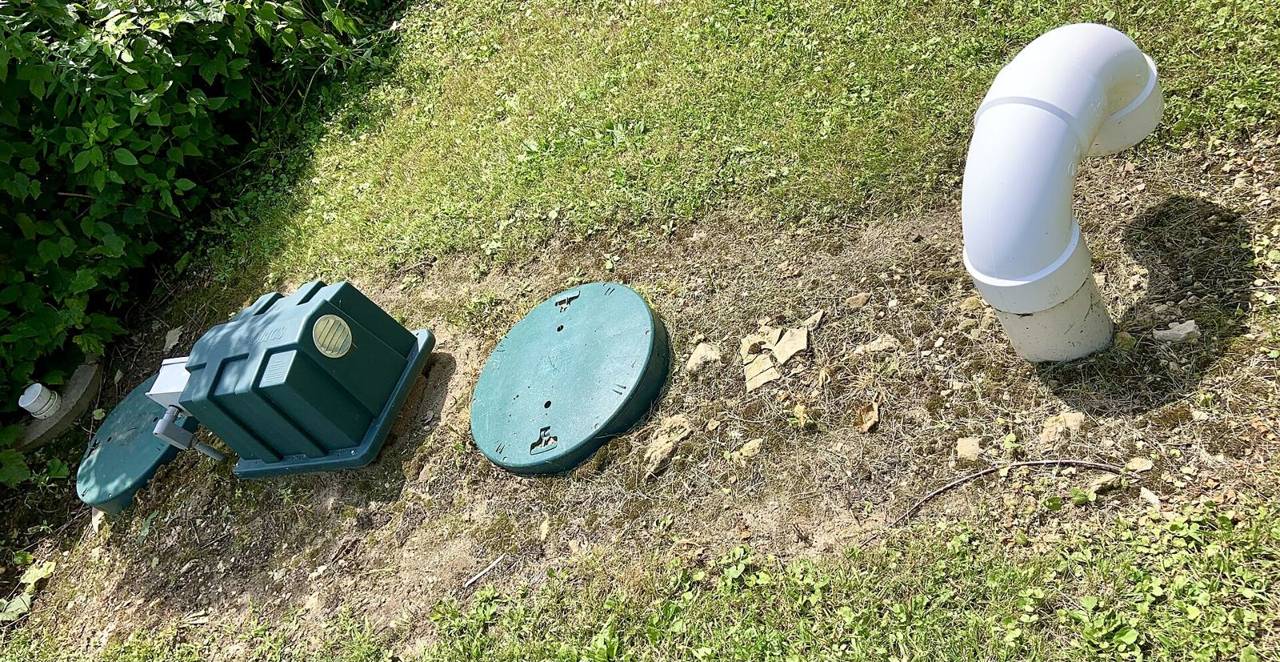
A maintenance visit follows the same path the water takes. We check the pretreatment tank, the aeration chamber, the clarifier and the pump tank. We test the alarm, confirm the compressor is moving air, inspect the disinfection stage and make sure spray heads are covering the intended area. In Henly, where the spray field often sits on a slope above a pasture or creek draw, we also look at whether water is traveling off the field. Between visits, you can do part of the work yourself. Look at the alarm light, listen for the air pump humming, and walk the spray area to see whether the grass is evenly wet or oddly soggy. If anything looks off, make a note and tell us at the next visit or sooner.
After the first two years, Hays County requires the owner to have a new maintenance contract in place at least 30 days before the old one ends. The county also lets a trained owner service a single-family system after completing its coursework, but most homeowners here choose a licensed provider because the work is technical. If you bought a Henly property with an aerobic system, ask for the permit file and the last service report right away. Be careful about what goes down the drain. Bleach in large amounts, antibacterial products, wipes and grease all damage the bacteria an ATU depends on. Small habits like these keep the unit calmer between service dates.
What to know in Henly
Chlorine and dry spells
Many Henly systems disinfect with chlorine tablets, which dissolve on their own schedule. In hot, dry summers, spray fields pull more attention from deer and animals, and tablet feeders can clog or run empty. We check the feeder each visit so treated water leaving your yard is actually disinfected. Ask us to check the feeder and tablet type, since some products are made for pools and are not suitable for septic use.
Power interruptions
Rural lines west of Dripping Springs lose power during storms, and an ATU is dead without electricity. Short outages are normal. A multi-day outage is not, so avoid heavy water use until power returns, and call us if the alarm keeps sounding afterward. A surge protector and a labeled breaker help you avoid mystery outages and make storms easier to ride out.
Spray heads near fences
Henly lots often have livestock fencing, gates and wells near the spray area. Heads can drift out of position or get hit by a mower. A misaimed head can wet a neighbor's property line or a well area. Aim and coverage are part of every inspection. Call us if you move a fence line or add a garden bed near the field, so coverage can be rechecked before water lands on the wrong spot.
Signs you may need aerobic septic maintenance
- Pooling or runoff from the spray heads
- Dead, matted or overly lush patches in the spray field
- No maintenance report or tag date in more than four months
- Contract has expired or you cannot find a copy
How aerobic septic maintenance works
A routine visit follows a set pattern. The technician checks the control panel and alarm, the air pump and its filter, the aeration chamber, the clarifier and the disinfection unit. In most systems, disinfection uses chlorine tablets that must be replaced as they dissolve. The technician also looks at the spray heads or drip lines to be sure the water spreads evenly and does not pool or run off the property. The state rule calls for a weather-resistant tag on the system that is marked with the date of each check. When the visit ends, the technician finishes a report that goes to you and to the permitting authority, and you should keep your copy with your other septic records.
Some of the best maintenance happens between visits. Listen for the air pump, which should hum steadily. Walk the spray area now and then and look for matted grass, dead patches, pooling or odors. Keep the control panel dry and the breaker on. Do not shut off the system when you travel, because the bacteria need air to stay alive. If an alarm sounds, silence it, note the time and call for service. Go easy on bleach, antibacterial cleaners and drain openers, which can harm the bacteria. Watch what goes down the drain too. Grease, wipes, cat litter and coffee grounds do not belong in any septic system, and an aerobic unit is no exception to that rule. A few minutes of attention each month can head off a service call and keep your reports clean.
What to expect on a Henly visit
- 01
Review your contract and system records
We start by looking at your permit, your as-built drawing and your current contract, if you have one. This tells us the system brand, the type of disinfection, the spray or drip layout and any county requirements. We also note when your last reports were filed. This homework saves time in the field.
- 02
Check the control panel and alarm
We test the alarm, check the breakers and look at the timer settings. A working alarm is your early warning when something fails. We also look for water damage, loose wires and insects inside the panel, which are common problems in Texas heat and humidity. We note anything that needs follow-up.
- 03
Inspect the tanks and air system
We open the lids and look at each chamber. We check the air pump, the diffuser and the airflow, and we note the water color and smell. These clues show whether the bacteria are healthy and whether solids are building up faster than they should. We record what we see for the report.
- 04
Test and service disinfection
We check the disinfection unit and replace tablets when needed. We test the treated water as the rules call for and watch for any sign that the unit is not working. Using the wrong chlorine product can damage equipment, so we use only what the manufacturer allows. Results go into your written report.
- 05
Walk the spray or drip field
We check each spray head or drip line for clogs, leaks and even coverage. We look for pooling, runoff and the distance from property lines, wells and structures. Adjusting heads and clearing debris keeps the system working as designed and protects your yard. We photograph problem spots when that helps.
- 06
Tag, report and recommend next steps
We mark the tag on the system with the date of the check, finish the written report and send it where it needs to go. We then tell you about any parts that are wearing out, when pumping is due and when the contract needs to be renewed. You keep a copy for your files.
Our approach in Henly
- We locate and open your tank, aerobic unit and dispersal area, including buried lids common on older Henly properties
- We explain what we find in plain language, with photos where they help
- Repairs and installs are planned around Hays County permitting requirements
- You get written options before any repair work begins
- Aerobic visits are recorded for your maintenance contract
Septic conditions around Henly
Weather out here is wide open. Summer drought bakes the ground, cracks clay and dries spray fields, while a single big storm can drop several inches of rain onto thin soil that has no place to hold it. After a storm, low spots in a field can stay wet for days. Wind and lightning are real concerns for aerobic systems, since a power surge can damage the control panel or air pump, and a power outage stops treatment until the electricity is restored. Livestock and ranch vehicles add risk, because heavy loads on a field compress soil and crush shallow lines. Roots from cedar and oak will find their way into pipes if allowed. A seasonal walk around the field, lids and panel catches most problems early. Long gravel drives also need planning for service: a heavy pump truck needs firm ground and room to turn, so scheduling after a dry stretch helps. Flag your tank lids ahead of time, and tell us if you are unsure where the tank is.
Aerobic Septic Maintenance questions from Henly homeowners
Do I have to keep a maintenance contract in Henly?
Yes. Aerobic systems in Texas need a maintenance contract, and Hays County requires an initial two-year contract on new ones. After that, a single-family owner must have a new contract 30 days before service ends. Letting it lapse can cause trouble with the county and with a home sale, so keep the paperwork current. Contract terms differ between providers, so read yours and keep a copy with the permit papers for the county and any future buyer.
How often will someone service my aerobic system?
During the initial two years, state rules call for visits about every four months. Later contracts are set by the provider and the permit. What matters is that each visit is documented. Keep copies of the reports. They are the proof that your system has been maintained. If you ever switch providers, send the new contract to the county, and avoid a gap in coverage, even a short one.
What does the alarm mean and what should I do?
The alarm usually signals a high water level, a failed pump or a lost air supply. Silence it, cut back on water use, and call right away. Do not keep running laundry and showers for days. A quick visit can often resolve a stuck float or tripped breaker before the yard becomes soaked. A short call early is better than a long call late. Most alarm problems are small when caught the same day.
How long is the first maintenance contract on a new system?
State rules describe an initial two-year service policy that begins when the system is first used. Hays County requires an initial two-year contract for new aerobic systems and asks owners to have a new contract in place at least 30 days before the old one ends. Other counties may differ, so call your permitting office. Put the renewal date on your calendar so the contract never lapses.
Can I maintain my own aerobic system after two years?
TCEQ says that two years after installation, homeowners may maintain certain system types themselves. However, some permitting authorities require training or do not allow it at all. Owner maintenance also means you take on the responsibility for upkeep, so many homeowners keep a provider. Ask your county what it allows before you decide. Written approval from the county may be needed if you plan to switch to owner maintenance.
What are the chlorine tablets for?
Aerobic systems disinfect treated water before it is sprayed or dripped onto the ground. Chlorine tablets in a disinfection unit do that job. They dissolve slowly and must be replaced as they wear down. Do not substitute pool tablets, which can contain other chemicals that damage equipment. Your provider uses the product your system was designed for. If the tablet holder runs empty, treated water may go onto the ground without proper disinfection, so call for service.
More about aerobic septic maintenance → · All septic services in Henly →
Need aerobic septic maintenance in Henly?
Call or send a request. We will ask a few questions about your system and the property, then schedule a visit.