Dripping Springs · Hays County
Aerobic Septic Maintenance in Dripping Springs, TX
Aerobic systems are everywhere around Dripping Springs, and every one of them needs regular attention. A maintenance visit usually covers the aerator and air pump, the alarm, the disinfection stage, the spray heads or drip zones, and the control panel. Hays County asks for a maintenance contract on new aerobic systems, starting with an initial two-year term, and a licensed provider handles the routine visits. Keep a record of each visit. Buyers and lenders often ask for it when a home is sold.
Aerobic Septic Maintenance for Dripping Springs homes
Aerobic septic maintenance in Dripping Springs is not optional, and it is easy to see why. The thin, rocky soils on much of the local Hill Country cannot take conventional drain fields on every lot, so builders turn to aerobic treatment units that clean the water and spread it through spray heads or drip lines. Those systems have pumps, an air compressor, floats and a control panel that all need regular attention. Hays County requires an initial two-year maintenance contract on new aerobic systems, and ongoing maintenance after that. Hays County also holds aerobic owners to the paperwork, so each visit ends with a record you can file. Keeping those records tidy matters when you sell, because a buyer or lender will usually ask who has serviced the system and when.
A typical visit starts at the panel. We check alarms, run the pump tank and timer, test the air blower, look at the disinfection supply, and inspect each spray head or drip zone for clogs or leaks. We also look at the water as it moves through the tank chambers, because color, smell and clarity tell us how well the bacteria are doing. TCEQ says maintenance providers must report at least once every four months, and most contracts schedule visits around that rhythm. If the water in the last chamber looks cloudy or smells strongly, we may adjust the timer, clean the filters or recommend a pumping before the next scheduled visit. Small adjustments keep the bacteria working.
Around Dripping Springs, the most common problems we see in a maintenance routine are sprinkler heads grown over by Bermuda or native grass, drip lines nicked by landscaping crews, and disinfection tablets that were never refilled. Each one is simple to fix when caught early and messy when it is not. After the initial two years you will still need a maintenance contract, so ask your provider how renewal works and put the date on your calendar so you are never caught without one. Because the county can follow up on lapsed contracts, treat the renewal date like a registration sticker. A short phone call a month ahead is far cheaper than a violation notice or a rushed signup.
What to know in Dripping Springs
Initial two-year contract
For new aerobic systems in Hays County, the permit process includes a two-year initial maintenance contract with a licensed provider. After that period the county still expects ongoing maintenance. Check with Hays County Development Services about renewal timing and any homeowner-maintenance rules before you let a contract lapse. Ask us to write the date down for you.
Spray heads and shrinking setbacks
Dripping Springs keeps adding homes, and spray heads that once sat far from anything may now be near a neighbor's fence or a new patio. We check coverage and direction at each visit so treated water stays inside your approved area and does not drift where it should not. Move fences back if heads are blocked.
Power and summer heat
Outages are common during Hill Country storms, and an aerobic unit without power stops treating waste. Long Texas summers also stress compressors and wear down diaphragms. We test alarms and backup behavior so you are not surprised by a flashing red light on a holiday weekend. Surge protection costs little compared to a dead board.
Signs you may need aerobic septic maintenance
- Alarm light or buzzer on the control panel
- Air pump that is silent, rattling or unusually loud
- Strong sewage or musty smell near the tanks or spray area
- Pooling or runoff from the spray heads
How aerobic septic maintenance works
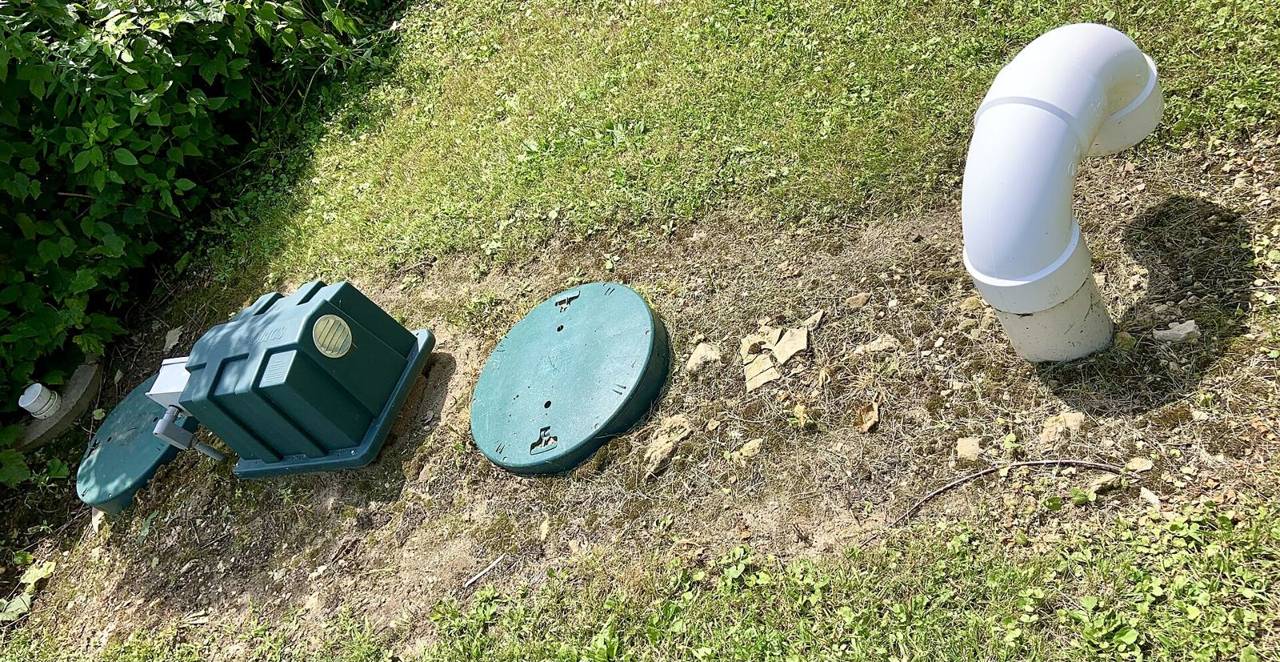
An aerobic treatment unit, often called an ATU, cleans household wastewater with air and bacteria. A typical system has a trash tank where solids settle, an aeration chamber where an air pump feeds the bacteria, a clarifier where the water settles again, and a disinfection step before the water goes to the spray heads or drip lines. Because the system has moving parts, electrical controls and chemicals, it needs regular care. Aerobic septic maintenance in Dripping Springs and across the Hill Country is not just a good habit. In Texas, aerobic systems on homes must be covered by a maintenance contract with a licensed maintenance provider. That rule exists because a neglected unit can put poorly treated water on the ground, where family, pets and neighbors can come into contact with it.
State rules come from the Texas Commission on Environmental Quality, or TCEQ, under Chapter 285 of the Texas Administrative Code. The maintenance contract has to be with a licensed maintenance provider, and TCEQ describes that provider as an individual person. The contract must list what it covers and say how often routine maintenance, testing and reporting will happen. The provider must check each component on every visit and send a report to the permitting authority and to you at least once every four months. Systems with an electronic monitor can follow a longer reporting schedule. Your county may add its own steps, so the contract on your system is the document that controls what happens and when. Because rules and contract terms can change, keep your own copy and confirm details with your permitting office.
What to expect on a Dripping Springs visit
- 01
Review your contract and system records
We start by looking at your permit, your as-built drawing and your current contract, if you have one. This tells us the system brand, the type of disinfection, the spray or drip layout and any county requirements. We also note when your last reports were filed. This homework saves time in the field.
- 02
Check the control panel and alarm
We test the alarm, check the breakers and look at the timer settings. A working alarm is your early warning when something fails. We also look for water damage, loose wires and insects inside the panel, which are common problems in Texas heat and humidity. We note anything that needs follow-up.
- 03
Inspect the tanks and air system
We open the lids and look at each chamber. We check the air pump, the diffuser and the airflow, and we note the water color and smell. These clues show whether the bacteria are healthy and whether solids are building up faster than they should. We record what we see for the report.
- 04
Test and service disinfection
We check the disinfection unit and replace tablets when needed. We test the treated water as the rules call for and watch for any sign that the unit is not working. Using the wrong chlorine product can damage equipment, so we use only what the manufacturer allows. Results go into your written report.
- 05
Walk the spray or drip field
We check each spray head or drip line for clogs, leaks and even coverage. We look for pooling, runoff and the distance from property lines, wells and structures. Adjusting heads and clearing debris keeps the system working as designed and protects your yard. We photograph problem spots when that helps.
- 06
Tag, report and recommend next steps
We mark the tag on the system with the date of the check, finish the written report and send it where it needs to go. We then tell you about any parts that are wearing out, when pumping is due and when the contract needs to be renewed. You keep a copy for your files.
Our approach in Dripping Springs
- We locate and open your tank, aerobic unit and dispersal area, including buried lids common on older Dripping Springs properties
- We explain what we find in plain language, with photos where they help
- Repairs and installs are planned around Hays County permitting requirements
- You get written options before any repair work begins
- Aerobic visits are recorded for your maintenance contract
Septic conditions around Dripping Springs
Growth has changed Dripping Springs quickly. Older homes on acreage and small ranches now share the area with newer neighborhoods, and new construction keeps appearing along US-290, RR 12 and FM 150. That mix means you can find a decades-old conventional tank on one lot and a modern aerobic system on the next. Older systems were often sized for fewer bedrooms and fewer people than the house holds today, and a remodel or an added bathroom can push a tank past the load it was designed to handle. Newer builds usually come with aerobic units, risers and a spray field or drip lines, along with a maintenance contract from day one. Many Hill Country homes also use a private well, so drinking water and wastewater sit close together on the same property. A failing system matters more here than it would on a small city lot. When we visit a Dripping Springs property, the first job is working out what kind of system is there, how old it is, and what the household really puts through it.
Aerobic Septic Maintenance questions from Dripping Springs homeowners
What does an aerobic maintenance visit include?
We inspect the control panel, air pump, tank chambers, disinfection supply, pump tank and each irrigation zone. We test alarms and floats, look at water quality, and note any repairs needed. You get a written summary, and the required report goes to the permitting authority according to your permit and contract. Keep every report in one folder.
Can I maintain my own aerobic system in Dripping Springs?
Hays County lets owners maintain an aerobic system only after the initial two years, and the county may ask for training or paperwork. Many owners still hire a licensed provider because the equipment is technical. Call Hays County Development Services to confirm what applies to your specific property and permit. Call the county if you are unsure.
Why does my aerobic system smell?
A healthy aerobic tank has an earthy, musty smell at most. A strong sewage odor usually means the air blower has failed, the bacteria are stressed by bleach or antibacterial cleaners, or the tank is overdue for pumping. Call us for a check rather than guessing, because the fix depends on which one it is. Never add bleach to see if it helps.
Do I have to have a maintenance contract on an aerobic system in Texas?
In most cases, yes. TCEQ rules require aerobic systems on homes to be covered by a maintenance contract with a licensed maintenance provider. After the initial two-year policy, some single-family owners may maintain certain systems themselves, but local rules can be stricter. Check with your county permitting office before you decide. Your contract is also the first thing a buyer or lender will ask to see.
How often does the maintenance provider have to visit?
Your contract states how often routine maintenance and testing will happen. TCEQ requires the provider to send a report to the permitting authority and the owner at least once every four months. Systems with an electronic monitor may follow a longer reporting schedule. Read your contract and ask your provider to confirm the schedule. Keep every report you receive, since they document that the system has been serviced on time.
What does a licensed maintenance provider have to be?
TCEQ licenses the provider as an individual person, not a company. The person must meet training and licensing standards set by the state. When you hire someone, ask for their license number and check it with TCEQ. A company may employ licensed providers, but the license belongs to the person who does the work. A written contract should also list the provider's contact information so you know who to call.
More about aerobic septic maintenance → · All septic services in Dripping Springs →
Need aerobic septic maintenance in Dripping Springs?
Call or send a request. We will ask a few questions about your system and the property, then schedule a visit.