Bee Cave · Travis County
Aerobic Septic Maintenance in Bee Cave, TX
Larger homes on rocky Bee Cave lots often use aerobic systems because shallow soil limits conventional drain fields. These units must be under a maintenance contract with a licensed provider. We check the aerator, test the alarm, inspect the spray heads or drip lines, and confirm the disinfection step works. Each visit ends with a written record you can keep for the county, your lender or a future buyer.
Aerobic Septic Maintenance for Bee Cave homes
Aerobic treatment units are a common answer in Bee Cave because the Hill Country ground is rarely friendly to a simple gravity field. A thin layer of soil over fractured limestone leaves little room for conventional trenches. An aerobic system treats wastewater with added oxygen, disinfects it, and then spreads it across the landscape, often through a spray or drip system. That setup works well on a bigger lot, but it relies on equipment, and equipment needs regular attention. Aerobic septic maintenance in Bee Cave keeps the machinery honest. Treated water in drip lines also carries fine particles, so we check the filters at the head of the field and flush the lines when needed. A drip system with a clean filter can last for years, while a neglected one clogs one emitter at a time.
Texas rules require a maintenance contract on an aerobic system, handled by a TCEQ-licensed provider. On a service visit we test the air pump and check the diffuser, the clarifier, the chlorinator, the alarm, the float switches, and the pump tank. In Bee Cave the final stage deserves extra attention, since treated water often goes to drip lines or spray heads running through ornamental beds and lawns near homes. A clogged emitter or a head that has shifted can put water where it was never meant to go, such as against a foundation or onto a neighbor's property line. Ask who inspects and when. A good provider will explain each reading, tell you what is normal for your model, and give you simple signs to watch between visits, like a changed hum or a damp spot.
We also keep an eye on how the system matches the way you live. Homes with big landscapes and irrigation may run heavy outdoor water, and the aerobic unit should not be shared with that load. Frequent guests, a new pool bathroom, or an added suite can push the design limit. If your use has changed, we say so, and we point you to the county or the lake authority when a change might touch the permit. Your service report records every reading so trends show up before a breakdown. We write down your outdoor water habits too. Pool top-offs, irrigation zones, and a hot tub drain can send a surge of water to the system, and sending that to a treatment unit is harder on it than most owners expect.
What to know in Bee Cave
Drip and spray fields near ornamental landscaping
Many Bee Cave properties disperse treated water through drip lines under beds or spray heads across lawns. Mulch, new plantings, and landscapers' tools can damage lines or bury heads. Share landscaping plans with your provider and mark the field so crews know where to be careful. Keep a short log of any alarm events, with dates and what you did. It helps us trace patterns.
Lake Travis proximity and LCRA oversight
A home within 2,000 feet of Lake Travis falls under LCRA's on-site sewage program rather than the county's. That can change the paperwork and inspection steps. Confirm your jurisdiction early, since it affects who reviews changes and who holds your records. If you sell, a clean file of LCRA or county records and service reports speeds up the transfer.
HOA appearance versus access
Associations like tidy lawns, and some owners hide control panels or lids behind shrubs. Panels and access points must stay reachable for service. Ask your association how to screen equipment without blocking it, and keep a clear path of a few feet around every lid. Ask how the panel, vents, and lids can be screened without blocking service access.
Signs you may need aerobic septic maintenance
- Alarm light or buzzer on the control panel
- Air pump that is silent, rattling or unusually loud
- Strong sewage or musty smell near the tanks or spray area
- Pooling or runoff from the spray heads
How aerobic septic maintenance works
State rules come from the Texas Commission on Environmental Quality, or TCEQ, under Chapter 285 of the Texas Administrative Code. The maintenance contract has to be with a licensed maintenance provider, and TCEQ describes that provider as an individual person. The contract must list what it covers and say how often routine maintenance, testing and reporting will happen. The provider must check each component on every visit and send a report to the permitting authority and to you at least once every four months. Systems with an electronic monitor can follow a longer reporting schedule. Your county may add its own steps, so the contract on your system is the document that controls what happens and when. Because rules and contract terms can change, keep your own copy and confirm details with your permitting office.
For a new aerobic system, the first contract has a set length. The state rule describes an initial two-year service policy that starts when the system is first used. Hays County requires an initial two-year contract for new aerobic systems, and its paperwork says the owner needs a new contract in place at least 30 days before service would end. After the first two years, a single-family homeowner can either keep a licensed provider or, for certain system types, do the maintenance personally. Some counties require homeowner training or do not allow owner maintenance at all. Check with your permitting authority before you decide to go it alone, since the wrong choice can lead to a notice of violation and extra cost.
What to expect on a Bee Cave visit
- 01
Review your contract and system records
We start by looking at your permit, your as-built drawing and your current contract, if you have one. This tells us the system brand, the type of disinfection, the spray or drip layout and any county requirements. We also note when your last reports were filed. This homework saves time in the field.
- 02
Check the control panel and alarm
We test the alarm, check the breakers and look at the timer settings. A working alarm is your early warning when something fails. We also look for water damage, loose wires and insects inside the panel, which are common problems in Texas heat and humidity. We note anything that needs follow-up.
- 03
Inspect the tanks and air system
We open the lids and look at each chamber. We check the air pump, the diffuser and the airflow, and we note the water color and smell. These clues show whether the bacteria are healthy and whether solids are building up faster than they should. We record what we see for the report.
- 04
Test and service disinfection
We check the disinfection unit and replace tablets when needed. We test the treated water as the rules call for and watch for any sign that the unit is not working. Using the wrong chlorine product can damage equipment, so we use only what the manufacturer allows. Results go into your written report.
- 05
Walk the spray or drip field
We check each spray head or drip line for clogs, leaks and even coverage. We look for pooling, runoff and the distance from property lines, wells and structures. Adjusting heads and clearing debris keeps the system working as designed and protects your yard. We photograph problem spots when that helps.
- 06
Tag, report and recommend next steps
We mark the tag on the system with the date of the check, finish the written report and send it where it needs to go. We then tell you about any parts that are wearing out, when pumping is due and when the contract needs to be renewed. You keep a copy for your files.
Our approach in Bee Cave
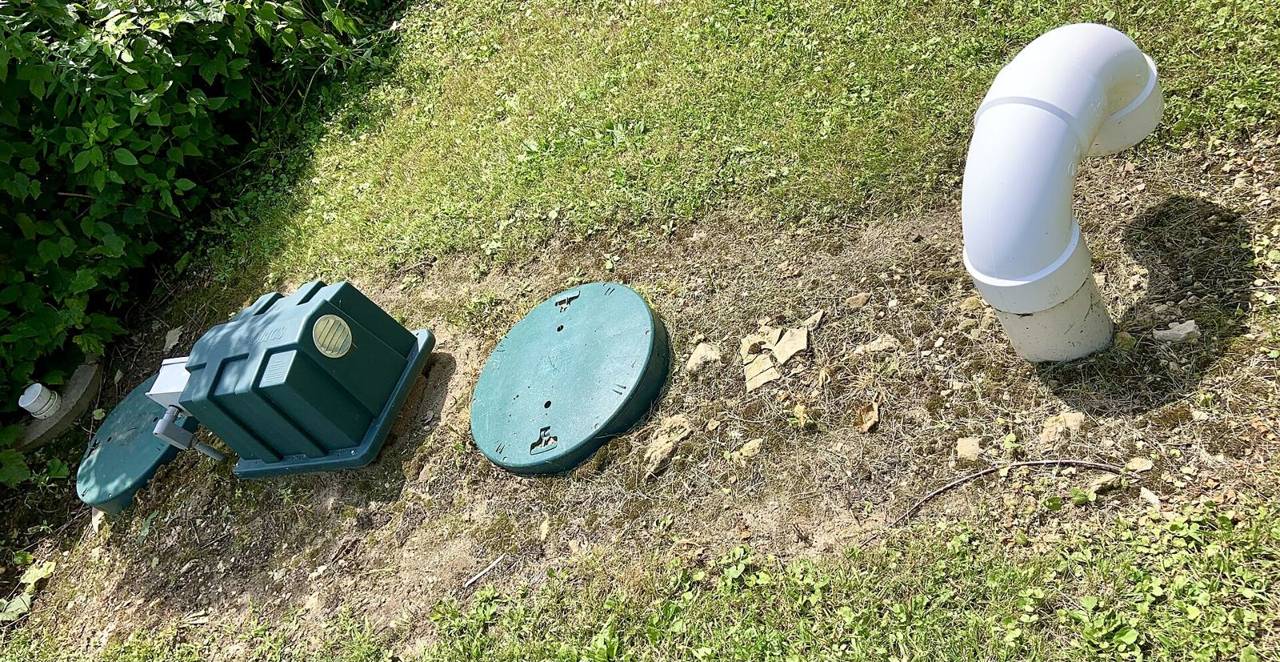
- We locate and open your tank, aerobic unit and dispersal area, including buried lids common on older Bee Cave properties
- We explain what we find in plain language, with photos where they help
- Repairs and installs are planned around Travis County permitting requirements
- You get written options before any repair work begins
- Aerobic visits are recorded for your maintenance contract
Septic conditions around Bee Cave
Weather in Bee Cave arrives in extremes. Summer droughts bake the thin soils, and the rocky ground can shift enough to loosen lids, crack buried lines and expose pipe edges. Then a hard storm can drop several inches in a few hours, and runoff races down slopes toward Barton Creek. Water that cannot soak into shallow soil sheets across the surface, and drain fields on lower parts of a slope can stay soggy for days. Pay attention to the signs after heavy rain: slow drains, gurgling pipes, a sewage smell near the tank or field, or lush green patches that appear in the middle of dry grass. Keep roof drains and sump discharge pointed away from your system. If an aerobic alarm sounds during or after a storm, do not ignore it, since power flickers and wet conditions can stop the pump or aerator.
Aerobic Septic Maintenance questions from Bee Cave homeowners
Do aerobic systems in Bee Cave need a maintenance contract?
Yes. Texas requires aerobic systems to be covered by a contract with a TCEQ-licensed maintenance provider. The permitting authority for your address, whether Travis County, LCRA, or the city, may add its own details. Keep your contract active and your service reports on file, since they are checked during a home sale. Ask for a copy of the current contract so you know what visits it covers and what parts or pumping cost extra.
What does an aerobic maintenance visit include?
We check the air pump and diffuser, look at tank levels and the clarifier, test the alarm and floats, assess chlorine, and inspect the spray or drip field. We also look at the control panel and wiring. You receive a written report that notes anything worn, so repairs can be planned ahead of failure. Let your provider know about any remodel that adds bathrooms, since the design flow may need to be checked.
Can I use bleach and cleaners with an aerobic system?
Use them in small amounts. Large doses of bleach, disinfectants, and drain cleaners can kill the helpful bacteria that treat the waste, and the system can run poorly for weeks. Spread laundry across the week, avoid dumping cleaning buckets down the drain, and use only the chlorine product your provider approves for the tank. A small amount of chlorine solution is the usual maintenance item. Never add pool shock or household tablets yourself.
Can I turn off my aerobic system when I am away?
It is best not to. The bacteria that treat your wastewater need air, and a long shutdown can kill them. A restart can then take time to recover. If you will be gone for a long period, talk to your provider about the right steps for your system, and keep the breaker on unless told otherwise. Never unplug the air pump to save electricity, because the savings are small and the risk is large.
Do I have to have a maintenance contract on an aerobic system in Texas?
In most cases, yes. TCEQ rules require aerobic systems on homes to be covered by a maintenance contract with a licensed maintenance provider. After the initial two-year policy, some single-family owners may maintain certain systems themselves, but local rules can be stricter. Check with your county permitting office before you decide. Your contract is also the first thing a buyer or lender will ask to see.
How often does the maintenance provider have to visit?
Your contract states how often routine maintenance and testing will happen. TCEQ requires the provider to send a report to the permitting authority and the owner at least once every four months. Systems with an electronic monitor may follow a longer reporting schedule. Read your contract and ask your provider to confirm the schedule. Keep every report you receive, since they document that the system has been serviced on time.
More about aerobic septic maintenance → · All septic services in Bee Cave →
Need aerobic septic maintenance in Bee Cave?
Call or send a request. We will ask a few questions about your system and the property, then schedule a visit.