Dripping Springs & the Texas Hill Country
Aerobic Septic Maintenance
Aerobic systems in Texas need regular care from a licensed maintenance provider. We explain how maintenance contracts work, what happens at each visit and how to keep your spray or drip system in line with your county's rules.
An aerobic treatment unit, often called an ATU, cleans household wastewater with air and bacteria. A typical system has a trash tank where solids settle, an aeration chamber where an air pump feeds the bacteria, a clarifier where the water settles again, and a disinfection step before the water goes to the spray heads or drip lines. Because the system has moving parts, electrical controls and chemicals, it needs regular care. Aerobic septic maintenance in Dripping Springs and across the Hill Country is not just a good habit. In Texas, aerobic systems on homes must be covered by a maintenance contract with a licensed maintenance provider. That rule exists because a neglected unit can put poorly treated water on the ground, where family, pets and neighbors can come into contact with it.
State rules come from the Texas Commission on Environmental Quality, or TCEQ, under Chapter 285 of the Texas Administrative Code. The maintenance contract has to be with a licensed maintenance provider, and TCEQ describes that provider as an individual person. The contract must list what it covers and say how often routine maintenance, testing and reporting will happen. The provider must check each component on every visit and send a report to the permitting authority and to you at least once every four months. Systems with an electronic monitor can follow a longer reporting schedule. Your county may add its own steps, so the contract on your system is the document that controls what happens and when. Because rules and contract terms can change, keep your own copy and confirm details with your permitting office.
For a new aerobic system, the first contract has a set length. The state rule describes an initial two-year service policy that starts when the system is first used. Hays County requires an initial two-year contract for new aerobic systems, and its paperwork says the owner needs a new contract in place at least 30 days before service would end. After the first two years, a single-family homeowner can either keep a licensed provider or, for certain system types, do the maintenance personally. Some counties require homeowner training or do not allow owner maintenance at all. Check with your permitting authority before you decide to go it alone, since the wrong choice can lead to a notice of violation and extra cost.
A routine visit follows a set pattern. The technician checks the control panel and alarm, the air pump and its filter, the aeration chamber, the clarifier and the disinfection unit. In most systems, disinfection uses chlorine tablets that must be replaced as they dissolve. The technician also looks at the spray heads or drip lines to be sure the water spreads evenly and does not pool or run off the property. The state rule calls for a weather-resistant tag on the system that is marked with the date of each check. When the visit ends, the technician finishes a report that goes to you and to the permitting authority, and you should keep your copy with your other septic records.
Some of the best maintenance happens between visits. Listen for the air pump, which should hum steadily. Walk the spray area now and then and look for matted grass, dead patches, pooling or odors. Keep the control panel dry and the breaker on. Do not shut off the system when you travel, because the bacteria need air to stay alive. If an alarm sounds, silence it, note the time and call for service. Go easy on bleach, antibacterial cleaners and drain openers, which can harm the bacteria. Watch what goes down the drain too. Grease, wipes, cat litter and coffee grounds do not belong in any septic system, and an aerobic unit is no exception to that rule. A few minutes of attention each month can head off a service call and keep your reports clean.
A good maintenance relationship saves money and stress. Most aerobic problems start small, such as a clogged air filter, a worn diaphragm, a low chlorine level or a plugged spray head. Caught early, these are quick fixes. Caught late, they can lead to pump burnout, untreated water on the ground and expensive repairs. Keep copies of every report and contract, since buyers, lenders and county staff may ask for them. If you are not sure whether your system is covered, call your county permitting office or ask us to help you find the paperwork. We can also pump the tank when it is due and handle small repairs on the same visit, which saves you a trip. Staying organized with your records also makes selling the home easier, since buyers often want to see service history.
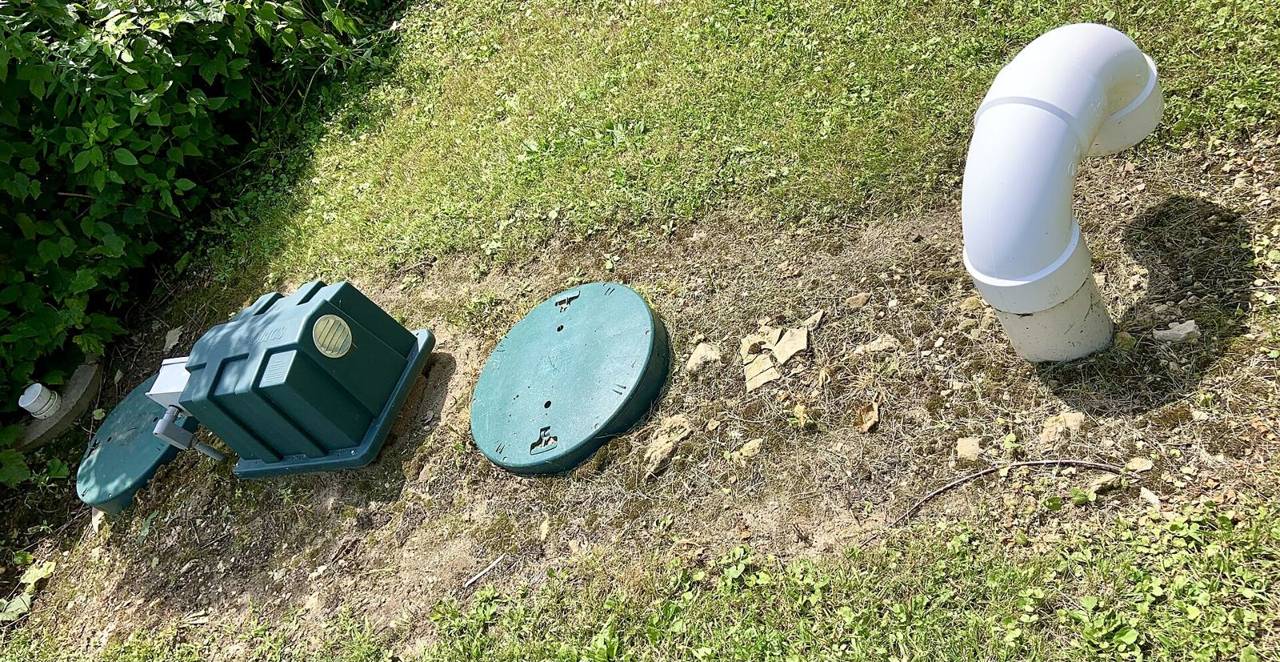
Signs you may need aerobic septic maintenance
- Alarm light or buzzer on the control panel
- Air pump that is silent, rattling or unusually loud
- Strong sewage or musty smell near the tanks or spray area
- Pooling or runoff from the spray heads
- Dead, matted or overly lush patches in the spray field
- No maintenance report or tag date in more than four months
- Contract has expired or you cannot find a copy
Aerobic Septic Maintenance on Hill Country properties
Many Hill Country lots have thin, rocky soil over limestone, which is a main reason aerobic systems with spray or drip disposal are so common here. The soil can be too shallow for a standard drain field. Keeping your spray area healthy matters because treated water cannot sink far before it meets rock.
Hays County Development Services handles permits for most of Hays County, and its paperwork asks for an initial two-year contract on new aerobic systems. Travis County and the City of Austin have their own offices and forms. If you are not sure which agency covers your address, call before you change providers.
Texas heat is hard on equipment. Control panels baking in the sun, air pumps running through summer and chlorine tablets that dissolve faster all change the maintenance picture. Shade for the panel and a quick monthly look at the system help. Hot, dry months also affect the grass that takes up water in a spray field.
Hard freezes are less common here, but one can stress exposed pipes, spray heads and valves. Drought and sudden storms matter too. After heavy rain, let the timer rest or hold off on spraying if the ground is saturated. Check with your provider if the spray area stays soggy for days.
Areas over the Edwards Aquifer recharge and contributing zones, along with homes near Lake Travis and creeks such as Barton Creek, draw extra attention to water quality. Good maintenance records show the county that you are protecting the groundwater and surface water that your neighbors also depend on.
Our aerobic septic maintenance process
- 01
Review your contract and system records
We start by looking at your permit, your as-built drawing and your current contract, if you have one. This tells us the system brand, the type of disinfection, the spray or drip layout and any county requirements. We also note when your last reports were filed. This homework saves time in the field.
- 02
Check the control panel and alarm
We test the alarm, check the breakers and look at the timer settings. A working alarm is your early warning when something fails. We also look for water damage, loose wires and insects inside the panel, which are common problems in Texas heat and humidity. We note anything that needs follow-up.
- 03
Inspect the tanks and air system
We open the lids and look at each chamber. We check the air pump, the diffuser and the airflow, and we note the water color and smell. These clues show whether the bacteria are healthy and whether solids are building up faster than they should. We record what we see for the report.
- 04
Test and service disinfection
We check the disinfection unit and replace tablets when needed. We test the treated water as the rules call for and watch for any sign that the unit is not working. Using the wrong chlorine product can damage equipment, so we use only what the manufacturer allows. Results go into your written report.
- 05
Walk the spray or drip field
We check each spray head or drip line for clogs, leaks and even coverage. We look for pooling, runoff and the distance from property lines, wells and structures. Adjusting heads and clearing debris keeps the system working as designed and protects your yard. We photograph problem spots when that helps.
- 06
Tag, report and recommend next steps
We mark the tag on the system with the date of the check, finish the written report and send it where it needs to go. We then tell you about any parts that are wearing out, when pumping is due and when the contract needs to be renewed. You keep a copy for your files.
What affects the cost of aerobic septic maintenance
Contract length and visit frequency
Contracts set how often the provider visits and tests. More frequent visits cost more over a year but may catch problems sooner. Many contracts run a few hundred dollars per year, and the amount varies by provider, system and county rules, so compare what each contract actually covers. Ask how many visits the price includes.
What the contract includes
Some contracts cover only inspections and reports. Others include chlorine tablets, minor adjustments or a set number of service calls. Parts such as pumps, diaphragms and spray heads are often billed separately. Read the covered items list carefully before you sign anything. Get the covered items in writing. Some providers list chlorine as an extra.
System type and size
Larger homes and systems with drip irrigation, multiple pumps or electronic monitors take more time to inspect. Older systems may need more attention. The brand of your aerobic unit also affects how easy it is to get parts and service when something needs to be replaced. Mention any extra pumps or monitors when you ask for a quote.
Property access and layout
A long drive, steep slopes or a spray field far from the tank add time to each visit. Locked gates, loose dogs and overgrown vegetation can slow things down too. Keeping the equipment easy to reach helps keep the cost of each visit under control. Clear access keeps visits short.
Repairs and pumping
Maintenance is separate from repair. If a part fails, the repair cost depends on the part and the labor. Pumping is also a separate service. A system that is kept up on schedule generally has fewer surprise repair bills over the years. Ask what a typical repair visit costs separately.
Aerobic Septic Maintenance FAQs
Do I have to have a maintenance contract on an aerobic system in Texas?
In most cases, yes. TCEQ rules require aerobic systems on homes to be covered by a maintenance contract with a licensed maintenance provider. After the initial two-year policy, some single-family owners may maintain certain systems themselves, but local rules can be stricter. Check with your county permitting office before you decide. Your contract is also the first thing a buyer or lender will ask to see.
How often does the maintenance provider have to visit?
Your contract states how often routine maintenance and testing will happen. TCEQ requires the provider to send a report to the permitting authority and the owner at least once every four months. Systems with an electronic monitor may follow a longer reporting schedule. Read your contract and ask your provider to confirm the schedule. Keep every report you receive, since they document that the system has been serviced on time.
What does a licensed maintenance provider have to be?
TCEQ licenses the provider as an individual person, not a company. The person must meet training and licensing standards set by the state. When you hire someone, ask for their license number and check it with TCEQ. A company may employ licensed providers, but the license belongs to the person who does the work. A written contract should also list the provider's contact information so you know who to call.
How long is the first maintenance contract on a new system?
State rules describe an initial two-year service policy that begins when the system is first used. Hays County requires an initial two-year contract for new aerobic systems and asks owners to have a new contract in place at least 30 days before the old one ends. Other counties may differ, so call your permitting office. Put the renewal date on your calendar so the contract never lapses.
Can I maintain my own aerobic system after two years?
TCEQ says that two years after installation, homeowners may maintain certain system types themselves. However, some permitting authorities require training or do not allow it at all. Owner maintenance also means you take on the responsibility for upkeep, so many homeowners keep a provider. Ask your county what it allows before you decide. Written approval from the county may be needed if you plan to switch to owner maintenance.
What are the chlorine tablets for?
Aerobic systems disinfect treated water before it is sprayed or dripped onto the ground. Chlorine tablets in a disinfection unit do that job. They dissolve slowly and must be replaced as they wear down. Do not substitute pool tablets, which can contain other chemicals that damage equipment. Your provider uses the product your system was designed for. If the tablet holder runs empty, treated water may go onto the ground without proper disinfection, so call for service.
Why does my aerobic system have a tag on it?
State rules call for a weather-resistant tag on the system, often placed on the motor cover, control panel or breaker box. The provider marks the date of each check on it. The tag lets the county, a buyer or an inspector see at a glance that the system is being serviced on schedule. If the tag is missing or faded, ask your provider to replace it at the next visit.
Can I turn off my aerobic system when I am away?
It is best not to. The bacteria that treat your wastewater need air, and a long shutdown can kill them. A restart can then take time to recover. If you will be gone for a long period, talk to your provider about the right steps for your system, and keep the breaker on unless told otherwise. Never unplug the air pump to save electricity, because the savings are small and the risk is large.
Aerobic Septic Maintenance near you
- Aerobic Septic Maintenance in Dripping Springs
- Aerobic Septic Maintenance in Driftwood
- Aerobic Septic Maintenance in Wimberley
- Aerobic Septic Maintenance in Henly
- Aerobic Septic Maintenance in Buda
- Aerobic Septic Maintenance in Kyle
- Aerobic Septic Maintenance in San Marcos
- Aerobic Septic Maintenance in Bee Cave
- Aerobic Septic Maintenance in Lakeway
- Aerobic Septic Maintenance in Southwest Austin
- Aerobic Septic Maintenance in Spicewood
- Aerobic Septic Maintenance in Johnson City
Need septic service in the Hill Country?
Call or send a request. We will ask a few questions about your system and the property, then schedule a visit.