Southwest Austin · Travis County
Septic service in Southwest Austin, TX
Most of Southwest Austin is on city sewer, but older acreage, creekside lots and rural pockets near Oak Hill and Bear Creek still use septic. We serve those homes with careful, local-aware service.
Southwest Austin spans the transition between the Edwards Plateau and the Balcones Fault zone. West of MoPac and along US 290 and SH 71 near Oak Hill, the land is hilly limestone with thin, rocky soils and caliche. Creeks such as Barton Creek, Bear Creek and Slaughter Creek cut through the area and carry runoff to the aquifer below. In many places the limestone is fractured, so water can move downward faster than it can be treated by the soil above. That geology makes septic placement a sensitive matter. A drain field on a few inches of soil can shed effluent sideways along rock layers, and a field in a creek bottom may sit in clay that stays wet. Well-designed systems account for slope, depth to rock and distance from drainages. When we look at an older system here, we check how it fits the terrain, not only how the tank itself is doing.
Southwest Austin is a large and varied area, and we want to be direct about it. Much of the developed part of the city, from the neighborhoods near Oak Hill to the master-planned communities in the south such as Circle C Ranch, is connected to the city's water and wastewater system. Homes there do not have septic tanks. Our work is in the pockets where city sewer never reached. Those pockets include older homes on larger lots, hillside properties off roads such as Brodie Lane and FM 1826, and rural acreage near the city edge. A city study of the Barton Springs Zone counted thousands of septic permits, with the highest density in the Bear Creek watershed, which shows how many on-site systems remain among the neighborhoods. If your property is on a larger lot, it is worth confirming what you have.
How do you confirm your wastewater status? Austin Water maintains an interactive map of OSSF jurisdiction that also shows whether a parcel sits on the Edwards Aquifer Recharge Zone or in the Barton Springs segment. Check it along with your utility bill. A wastewater line item means you are likely on city sewer. Water-only bills, or a private well, usually point to septic. Older permits are often available from the city. The distinction matters when you buy a home. An older Southwest Austin lot with mature trees may have a tank placed decades ago, with records that are incomplete. An inspection helps you learn the tank location, the system type and the field condition, and it identifies whether the home would be a candidate to connect to the city sewer if a line becomes available nearby.
Septic permitting inside Austin's jurisdiction is handled by Austin Water, which operates under TCEQ authorization and City Code Chapter 15-5. The city requires nitrogen-reducing treatment for drain fields close to Lake Austin, over the Edwards Aquifer Recharge Zone and in parts of the Barton Springs segment with certain soil conditions. Many properties here are also in the Barton Springs Zone and subject to the Save Our Springs ordinance for other development. Outside the city limits but still in Travis County, the county handles OSSF permitting for unincorporated land. Lines between the two can be hard to see on the ground, so check the maps before planning a repair, replacement or new system. Aerobic systems in Texas require a maintenance contract with a licensed provider, and permitting staff can explain current requirements for your parcel. Staff can usually point you to the right form and the right reviewer.
Weather exposes the weak points of Southwest Austin systems. Intense storms can drop heavy rain on steep, rocky ground, and runoff concentrates in creeks like Williamson, Bear and Slaughter. Drain fields near these creeks can saturate and flood, while systems on dry hilltops may struggle in drought as soils shrink and crack around tanks and lines. Because so much of this area drains toward Barton Springs, a leaking system has bigger consequences than a soggy yard. Fix problems early. Watch for slow drains, odors, wet spots and lush green grass over the field. Keep drains, roof gutters and irrigation heads pointed away from the system, and avoid driving or parking over the tank and field, where weight can crack lids and pipes. A small problem found early costs far less to fix than a failed field that has been left for months.
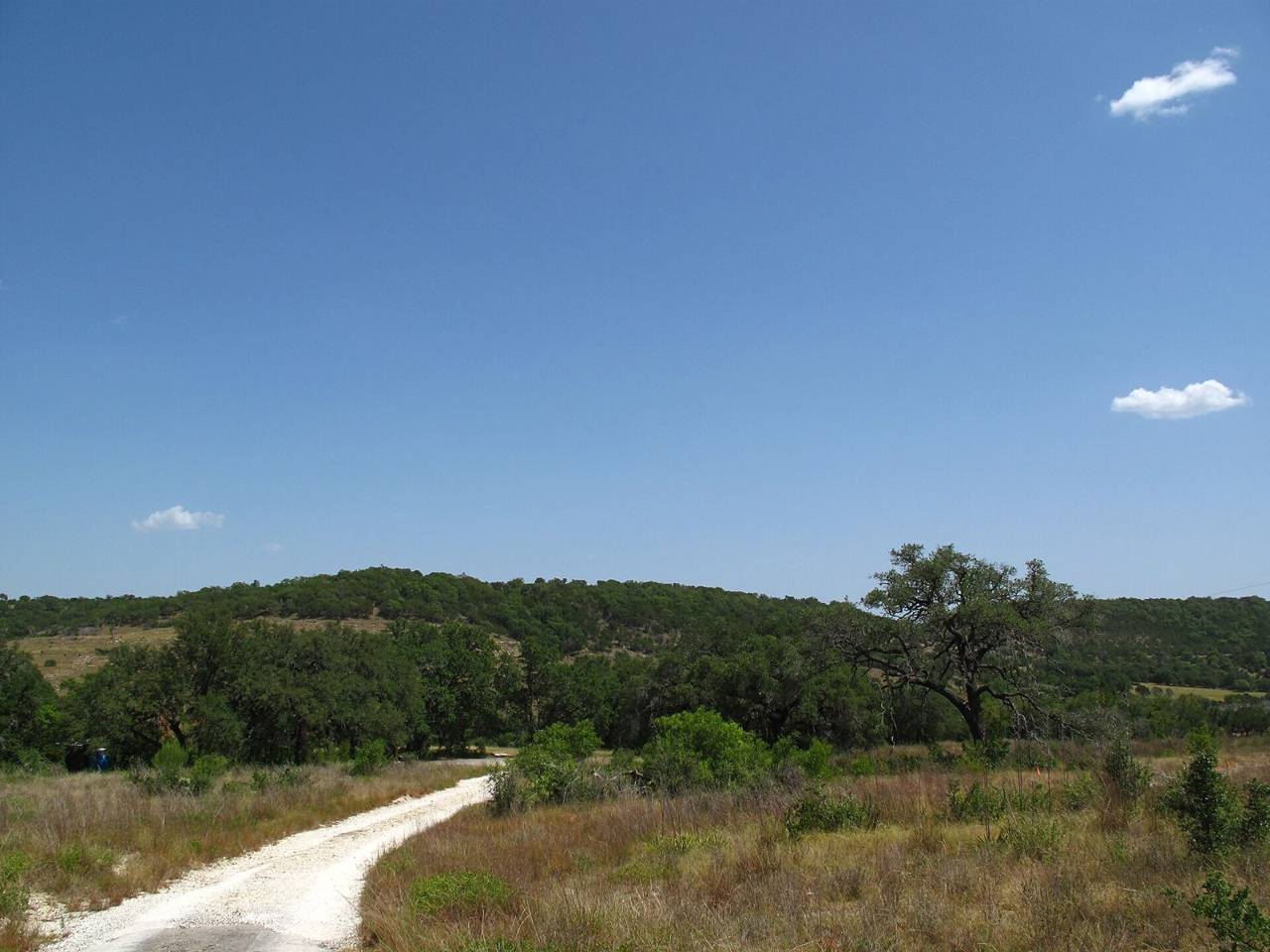
Aquifer-sensitive land
Much of Southwest Austin drains to the Edwards Aquifer and Barton Springs. Fractured limestone moves water quickly, so the city requires nitrogen-reducing treatment for some drain fields. Keeping your system maintained helps protect local groundwater. A well-kept system is one of the simplest ways to protect Barton Springs.
Austin Water OSSF program
Inside the city's jurisdiction, Austin Water issues OSSF permits under TCEQ authorization and City Code Chapter 15-5. Its interactive map shows whether a parcel is in city jurisdiction or on the recharge zone. Unincorporated areas go through Travis County. Many parcels lie close to the boundary, so a quick map check is worth the time.
Sewer covers most neighborhoods
Built-out areas near Oak Hill and the southern master-planned communities mostly use city sewer. Septic remains on older acreage, creekside lots and rural fringe properties. Confirm your status with a bill review or the city's records. Even inside the city, a few older lots slipped through, so do not assume.
Septic services in Southwest Austin
Septic Tank Pumping in Southwest Austin
Septic pumping in Southwest Austin is for homes that sit outside city sewer, often older lots with tanks that have not seen service in years. Most conventional tanks need pumping every three to five years, depending on size and household. We pump out the solids, check the baffles and filter, and note the tank's condition. Because many tanks are buried, locating the lids can be part of the job.
Details →Aerobic Septic Maintenance in Southwest Austin
Many newer acreage homes on rocky Southwest Austin ground use aerobic systems, which require a maintenance contract with a licensed provider under Texas rules. We check the aerator, test the alarm, inspect spray or drip components and confirm disinfection. City rules may add reporting requirements near the aquifer, so we keep clear records of each visit for your files. Regular visits also protect your warranty and resale value.
Details →Aerobic Septic Repair in Southwest Austin
Aerobic system failures near Bear Creek and Oak Hill usually show up as alarms, odors, wet spray areas or a pump that runs constantly. Common culprits include clogged spray heads, a failing aerator and a bad float switch. We diagnose the real fault, repair what failed and run a cycle before leaving. Fixing problems early matters in a zone where groundwater quality is closely watched.
Details →Septic Inspections in Southwest Austin
An inspection is smart before buying any Southwest Austin home on a larger lot or near the city edge. We determine the system type, open the tank, check levels and baffles, and examine the drain or spray field. We also note whether the property appears to be in a sensitive zone. You get a plain written summary of findings and recommendations. We also point out items worth watching, even if they are not urgent.
Details →Septic System Repair in Southwest Austin
Typical repairs around Southwest Austin include broken baffles, cracked lines from shifting soil, failed pumps and root problems. On hillside lots we try to pinpoint the problem so digging stays small and landscaping is protected. We explain what failed, what a repair involves and what the next steps are, so you can plan with clear information. We keep the repair as targeted as the problem allows.
Details →Drain Field Repair & Replacement in Southwest Austin
Fractured limestone and thin soil make drain fields in Southwest Austin tricky. When one fails, effluent can surface or travel downslope. Fixes may include repairing broken lines, adding capacity or moving to an advanced treatment design. Austin Water or the county reviews replacements, and some sites near the aquifer need nitrogen-reducing treatment. We help you sort out which path applies. Early action often saves the field you already have.
Details →Septic System Installation in Southwest Austin
Installing a new system in Southwest Austin starts with a site evaluation and the correct permit authority. Many sites call for advanced treatment because of the recharge zone or Barton Springs rules. Slope, rock depth and creek distance shape the design. We lay out your options and next steps before any work begins. We also explain the ongoing care each design needs and what the city may ask to see during review.
Details →Emergency Septic Service in Southwest Austin
A sewage backup, constant alarm or wastewater surfacing in the yard needs prompt attention, particularly in an aquifer-sensitive area. Stop water use, keep people and pets away, and call us. We inspect the tank, pump and lines, find the cause and explain what can be repaired immediately and what needs follow-up once the ground dries. We also document the problem so you have records if the city or county asks later.
Details →Septic Risers & Lids in Southwest Austin
Plenty of older Southwest Austin homes have lids buried under lawn or landscaping. A riser raises the access point to ground level with a secure lid, which speeds up pumping and inspection and reduces safety risks. We fit the riser to your tank, seal it against groundwater and roots, and leave the lid easy to find. Many owners find a riser turns a messy dig into a simple lid lift.
Details →Southwest Austin septic FAQs
Is my Southwest Austin home on septic or city sewer?
Most developed neighborhoods are connected to Austin's wastewater system. Larger older lots, creekside properties and rural pockets may not be. Look for a wastewater charge on your utility bill and check Austin Water's OSSF map. If you have a private well or no sewer charge, you probably have a septic system. A short review of your closing papers and permit file can often answer the question in minutes.
Who permits septic systems in Southwest Austin?
Within the city's jurisdiction, Austin Water administers the OSSF program under TCEQ authorization and City Code Chapter 15-5. Unincorporated parts of Travis County are handled by the county. Because boundaries are not always obvious, check the city's jurisdiction map or call the county before starting any work. If you are close to a creek or a slope, mention it when you ask, since extra rules can apply.
Why does the Edwards Aquifer matter for my septic system?
Water from the recharge zone and Barton Springs segment flows through fractured limestone to the aquifer and Barton Springs. The city requires nitrogen-reducing treatment for some drain fields in these areas. Properly maintained systems reduce risk, while failing ones can contribute nitrates and bacteria. Ask the city which rules apply to your parcel. Healthy systems near the aquifer protect your neighbors as well as your own home.
Can I connect to city sewer instead of using septic?
Sometimes. It depends on whether a city wastewater main is available near your property, the cost of the connection and any easements. Contact Austin Water to ask about your address. While you wait, keep your septic system pumped and maintained so it does not become a problem or a sales obstacle. Connection costs, easements and city policy can all affect the answer, so get details in writing.
How can I tell if my drain field is failing?
Common signs include slow drains, gurgling, sewage odor near the field, soggy ground when it has not rained and unusually green grass over the lines. Backups indoors are a later sign. If you notice any of these, reduce water use and have the system checked, because early repair is usually simpler than replacement. Pumping and servicing the system at regular intervals keeps small problems from growing.
All septic services in Southwest Austin
- 01
Septic Tank Pumping
Routine septic tank pumping for Hill Country homes, with clear explanations of what comes out, how often to schedule it and why it matters.
Learn more - 02
Aerobic Septic Maintenance
Routine aerobic septic maintenance that keeps your system running and your paperwork in order, from inspections to reports and tag updates.
Learn more - 03
Aerobic Septic Repair
Diagnosis and repair of aerobic septic systems, including air pumps, alarms, spray heads, control panels and disinfection units.
Learn more - 04
Septic Inspections
Septic inspections for home buyers, sellers and owners, with a clear look at tanks, baffles, drain fields and aerobic components.
Learn more - 05
Septic System Repair
Septic system repair for tanks, baffles, pipes, filters and lids, with honest diagnosis and clear options before any work begins.
Learn more - 06
Drain Field Repair & Replacement
We diagnose failing drain fields and spray or drip areas, then repair or replace them to suit your Hill Country soil.
Learn more - 07
Septic System Installation
We install conventional and aerobic septic systems designed around Hill Country soil, from site evaluation through final inspection.
Learn more - 08
Emergency Septic Service
When a septic backup, alarm or overflow cannot wait, we help you make the situation safe and get to the real cause.
Learn more - 09
Septic Risers & Lids
We install and replace septic risers and secure lids so your tank is easy to reach, safe to cover and ready for service.
Learn more
Need septic service in Southwest Austin?
Call or send a request. We will ask a few questions about your system and the property, then schedule a visit.