Dripping Springs · Hays County
Septic service in Dripping Springs, TX
Dripping Springs is our home base, and we service septic and aerobic systems across town and the acreage around it. We work with the limestone, the shallow soil and the Hays County permit process every day.
Dripping Springs sits on the eastern edge of the Edwards Plateau, where the Texas Hill Country begins to rise out of the Austin area. The ground here is limestone country. Soil is often only a few inches to a couple of feet deep before you hit rock, and what sits on top is a mix of thin, rocky topsoil, caliche (a chalky, cemented layer), and pockets of clay that hold water instead of draining it. Slopes can be steep, especially on lots that fall away from US-290 toward the creek drainages. This matters for septic because a drain field needs enough soil depth to filter wastewater before it reaches rock or groundwater. On many Dripping Springs lots the soil is simply too shallow for a traditional gravity system. That is a big reason so many homes here run aerobic treatment systems with spray or drip irrigation, which spread treated water over or just under the surface. The area also sits near the headwaters of Barton Creek and Onion Creek, so runoff drains toward streams that matter regionally.
Growth has changed Dripping Springs quickly. Older homes on acreage and small ranches now share the area with newer neighborhoods, and new construction keeps appearing along US-290, RR 12 and FM 150. That mix means you can find a decades-old conventional tank on one lot and a modern aerobic system on the next. Older systems were often sized for fewer bedrooms and fewer people than the house holds today, and a remodel or an added bathroom can push a tank past the load it was designed to handle. Newer builds usually come with aerobic units, risers and a spray field or drip lines, along with a maintenance contract from day one. Many Hill Country homes also use a private well, so drinking water and wastewater sit close together on the same property. A failing system matters more here than it would on a small city lot. When we visit a Dripping Springs property, the first job is working out what kind of system is there, how old it is, and what the household really puts through it.
Whether you have septic or sewer in Dripping Springs depends on exactly where your address falls. The center of town and some newer developments connect to centralized wastewater service, and the city has spent years working on treatment capacity, including a long-debated plan to discharge highly treated effluent into Onion Creek that drew attention from environmental groups and state regulators. Outside the service area, which covers most of the surrounding acreage, homes treat their own wastewater on site. If you live on a ranch road off US-290, along RR 12 or out toward FM 150, plan on septic. If your home is in a subdivision, do not assume. Some neighborhoods are served by a utility, and others rely on individual systems. Check your closing documents, look for a sewer bill, or ask the city or the county. The yard itself offers clues too: a green or concrete lid, a control panel on an exterior wall, or sprinkler heads with purple covers usually means an aerobic system is in place.
In Texas, the state sets the rules for on-site sewage facilities through TCEQ under 30 TAC Chapter 285, and a local authorized agent issues the permits. For most of Hays County, including Dripping Springs, that agent is Hays County Development Services. A new system, a replacement or a major repair generally needs a permit and inspections before anything is covered up. Aerobic systems carry a maintenance requirement as well. Hays County asks for an initial two-year maintenance contract on new aerobic systems, and afterward the owner needs a contract with a licensed maintenance provider, or must complete the county's coursework to do the maintenance personally. The Edwards Aquifer and its contributing zone add another layer in parts of this area, so setbacks and site evaluations can be stricter than you might expect. Rules and fees change, so confirm current requirements with the county before you plan any work. Permit questions are normal, and a good service company helps you understand which step you are on rather than guessing.
Weather in the Hill Country swings between extremes, and septic systems feel both ends. Long dry stretches in summer stress lawns and spray fields, and irrigation zones can end up running on hard, baked ground where water pools instead of soaking in. Heavy storms are the opposite problem. When a front drops several inches of rain on thin soil, the water has nowhere to go, and a drain field that worked fine in August can turn soggy by October. Flash flooding along the creeks is common enough that homes near a drainage should have lids and risers secured and electrical panels protected. Hard freezes are rare but real, and a cold snap can crack exposed pipes or stall a float switch. Roots from live oak, cedar elm and mesquite can reach into lines in search of moisture. A good habit is to schedule service in spring, before summer heat and fall storm season, and to walk your system after any big storm looking for wet spots, odors or alarms.
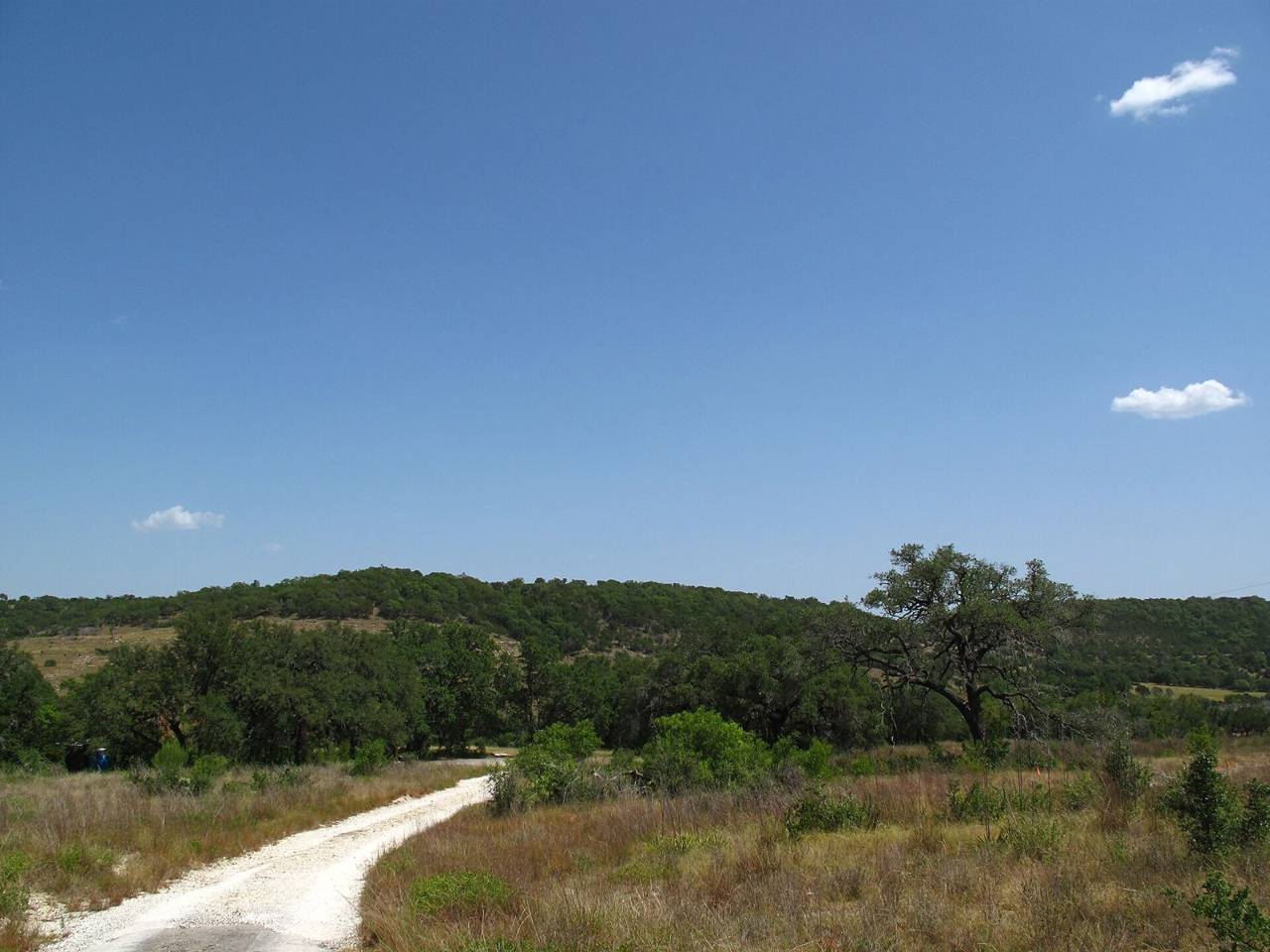
Shallow Limestone Soils
Much of the Dripping Springs area sits on Edwards Plateau limestone with thin topsoil, caliche layers and clay pockets. Rock can be only inches below the surface. That is why aerobic systems with spray or drip fields are so common here, and why digging for tanks and lines often means working through hard, rocky ground.
Hays County Permits
TCEQ sets the state rules under 30 TAC Chapter 285, and Hays County Development Services is the local authorized agent for most of the county. New and replacement systems need permits and inspections. New aerobic systems need an initial two-year maintenance contract. Check with the county for current forms, fees and requirements.
Creeks, Aquifer and Wells
Dripping Springs sits near the headwaters of Barton Creek and Onion Creek, and parts of the area fall in the Edwards Aquifer contributing zone. Many homes also rely on private wells. A leaking or failing septic system can affect nearby water, which is why regular pumping, maintenance and inspections matter here.
Septic services in Dripping Springs
Septic Tank Pumping in Dripping Springs
Pumping in Dripping Springs is driven mostly by tank size and household size. Many conventional tanks hold 1,000 to 1,500 gallons, and families often need service every three to five years, sooner with a garbage disposal. Hill Country lots add access issues, since tanks can sit behind gates, on slopes or under rocky ground. We locate the lids, check the baffles and outlet filter, and note sludge and scum levels so you know where the tank stands. Pumping commonly runs a few hundred dollars, depending on capacity and access.
Details →Aerobic Septic Maintenance in Dripping Springs
Aerobic systems are everywhere around Dripping Springs, and every one of them needs regular attention. A maintenance visit usually covers the aerator and air pump, the alarm, the disinfection stage, the spray heads or drip zones, and the control panel. Hays County asks for a maintenance contract on new aerobic systems, starting with an initial two-year term, and a licensed provider handles the routine visits. Keep a record of each visit. Buyers and lenders often ask for it when a home is sold.
Details →Aerobic Septic Repair in Dripping Springs
When an aerobic system fails around Dripping Springs, the cause is often a worn air pump, a stuck float, a clogged spray head or a tripped alarm. Heat and lightning take a toll on pumps and boards. We trace the symptom back to the part that caused it instead of swapping parts at random. Common repairs include replacing a pump, cleaning filters and fixing spray field lines. A steady alarm, a strong odor or standing water near the tank means it is time to call.
Details →Septic Inspections in Dripping Springs
Inspections matter in a market where homes change hands often. A Dripping Springs inspection looks at the tank, lids, baffles, the pump or aerator, and the drain or spray field. We also consider how the system fits the house, since extra bedrooms can exceed the original design. For a sale, a written report lets buyers and sellers deal with problems before closing. Hays County may also have your permit records on file, so pull them early.
Details →Septic System Repair in Dripping Springs
Septic repair in Dripping Springs ranges from a cracked baffle or broken pipe to a failed effluent pump, and rocky ground often makes the digging the hardest part of the job. We diagnose first, then explain what needs to be fixed now and what can wait. Some repairs, such as replacing a tank or changing the layout, may need a county permit, so we will tell you when to check with Hays County before work begins.
Details →Drain Field Repair & Replacement in Dripping Springs
Thin soil makes drain field trouble more common here than many people expect. A field can fail from compaction, tree roots, a tank that was never pumped, or soil that stays saturated after storms. Repair might mean clearing lines, redirecting runoff or replacing sections. Full replacement usually calls for a new site evaluation and a county permit, and shallow rock may point toward drip distribution or an engineered design. Costs vary widely with design, access and rock, and a full replacement can run well into the thousands of dollars.
Details →Septic System Installation in Dripping Springs
Installing a system in Dripping Springs starts with a site evaluation, because soil depth, slope, rock, and the distance to wells and creeks decide what design is allowed. Many lots here need an aerobic system with spray or drip distribution, since the soil cannot treat water the traditional way. Hays County requires a permit and inspections at set stages of the work. We walk you through each step so you understand what is being built, why it was chosen and what upkeep it will need afterward.
Details →Emergency Septic Service in Dripping Springs
A backup, alarm or overflowing tank does not wait for business hours, and storms make Hill Country problems worse. If sewage is entering the house, stop using water, keep people and pets away from pooled wastewater, and call a professional. Quick action limits damage and protects your well, which many properties here depend on. We assess the cause, whether that is a full tank, a blocked line, a failed pump or a flooded field, and stabilize the situation before a permanent fix is planned.
Details →Septic Risers & Lids in Dripping Springs
Many older Dripping Springs tanks sit under a foot or more of soil and rock, which means every pumping starts with digging. Risers bring the access point up to the surface and make routine service quicker and easier on your yard. Secure lids also matter for safety, since a cracked lid on acreage is a hazard for children, pets and equipment. Aerobic tanks need reachable lids for their pumps and filters. Adding risers is a common upgrade during a pumping or inspection visit.
Details →Dripping Springs septic FAQs
How do I know if my Dripping Springs home is on septic or sewer?
Start with your closing paperwork and your monthly bills. A sewer charge from the city or a utility means you are connected. No sewer bill usually means septic. You can also look in the yard for round lids, a control panel on the house or sprinkler heads in an odd spot. If you are still unsure, ask the city or Hays County Development Services, which keeps permit records for many systems. Never assume, because neighboring lots can be on different setups.
How often should I pump my septic tank in Dripping Springs?
A common rule is every three to five years for a conventional tank, but the right schedule depends on tank size, how many people live in the home and what goes down the drain. A garbage disposal, a water softener or frequent guests shorten the interval. Aerobic systems have their own pump-out needs, which your maintenance provider will flag. If you do not know when the tank was last pumped, an inspection can measure sludge and scum and give you a real answer.
Do I need a maintenance contract for an aerobic system in Hays County?
Yes, in practice. Texas requires maintenance for aerobic systems, and Hays County asks for an initial two-year contract with a licensed provider on a new system. After that, you need a contract with a licensed provider, or you can complete the county's required coursework to maintain it yourself. Rules can change, so confirm the current details with Hays County Development Services. Skipping maintenance risks failed parts, odors and trouble when you sell the property.
Why do so many Dripping Springs homes have aerobic systems?
Shallow soil and rock are the main reason. A conventional drain field needs several feet of workable soil to clean wastewater, and many Hill Country lots do not have it. An aerobic system treats the water more thoroughly in the tank, then spreads it through spray heads or drip lines near the surface. That design works on thin, rocky ground and on lots near sensitive creeks and aquifer areas, where tighter treatment is worth the added upkeep.
What should I check before buying a home with septic near Dripping Springs?
Ask for the septic permit and maintenance records, then order an inspection by a qualified professional. Confirm the system type, its age and where the tank and field are. Check that the system is sized for the number of bedrooms in the house, and look for wet spots, odors or alarm history. Ask whether a well is on the property too. Finding problems before closing gives you room to negotiate repairs or credits.
All septic services in Dripping Springs
- 01
Septic Tank Pumping
Routine septic tank pumping for Hill Country homes, with clear explanations of what comes out, how often to schedule it and why it matters.
Learn more - 02
Aerobic Septic Maintenance
Routine aerobic septic maintenance that keeps your system running and your paperwork in order, from inspections to reports and tag updates.
Learn more - 03
Aerobic Septic Repair
Diagnosis and repair of aerobic septic systems, including air pumps, alarms, spray heads, control panels and disinfection units.
Learn more - 04
Septic Inspections
Septic inspections for home buyers, sellers and owners, with a clear look at tanks, baffles, drain fields and aerobic components.
Learn more - 05
Septic System Repair
Septic system repair for tanks, baffles, pipes, filters and lids, with honest diagnosis and clear options before any work begins.
Learn more - 06
Drain Field Repair & Replacement
We diagnose failing drain fields and spray or drip areas, then repair or replace them to suit your Hill Country soil.
Learn more - 07
Septic System Installation
We install conventional and aerobic septic systems designed around Hill Country soil, from site evaluation through final inspection.
Learn more - 08
Emergency Septic Service
When a septic backup, alarm or overflow cannot wait, we help you make the situation safe and get to the real cause.
Learn more - 09
Septic Risers & Lids
We install and replace septic risers and secure lids so your tank is easy to reach, safe to cover and ready for service.
Learn more
Need septic service in Dripping Springs?
Call or send a request. We will ask a few questions about your system and the property, then schedule a visit.