Bee Cave · Travis County
Septic service in Bee Cave, TX
Bee Cave is a busy retail and residential hub on RR 620 and SH 71, but homes on acreage and the rural edges still rely on septic. We serve those properties with honest advice about what is and is not on sewer.
Bee Cave sits in the rolling western Travis County Hill Country, where limestone ridges and shallow soils define the land. Walk almost any lot and you find a thin layer of dark topsoil over caliche and fractured limestone, sometimes only a foot or two deep. Slopes are common, and many properties drain toward Barton Creek or one of its small tributaries. For a septic system, this means the soil has little depth to clean wastewater before it meets rock, so design and placement matter a great deal. Pockets of clay show up in low spots and along drainages, and they hold water in a different way than the rocky ground nearby. A drain field that sits partly on rock and partly on clay can behave unevenly. This is why a careful site evaluation, with test holes dug in the right places, is the first step for any new or replacement system in this part of the county, and why we take the layout of the whole lot into account before we recommend a fix.
Most people know Bee Cave for the shopping and dining around RR 620 and SH 71, but the city has grown well beyond that core. Newer neighborhoods and commercial areas were built with sewer service in mind, and the city has invested in wastewater treatment capacity to support them. If your home is in one of those developments, you are very likely on sewer and will not have a septic tank at all, which is good news for maintenance headaches. Septic systems remain in the less developed parts of the area. Larger lots and ranch-style acreage along roads such as Hamilton Pool Road, smaller county roads off RR 620, and older homes on the outskirts were commonly built before sewer lines reached them, and many still depend on tanks and drain fields. We focus our work on these properties, and we are glad to tell you plainly when a home you ask about is outside what we handle.
How can you tell which side you are on? Start with your monthly bills. A wastewater line item from the city or a utility provider usually means a sewer connection. No such charge, or a private well, usually points to septic. The West Travis County Public Utility Agency serves water and wastewater in parts of this area, but its service boundaries are specific, so a lot near a sewer line may still be a few streets outside the service area. If you are shopping for a home with an acre or more, ask for the septic permit records and the last pumping receipt. Many buyers also order a septic inspection before closing, since replacing a failed drain field on rocky ground can be a significant expense. A quick call to the city's building department or Travis County can confirm what is on file for the address.
Permitting depends on where the property sits. Inside the Bee Cave city limits, the city lists septic installation and repair among the work that needs a city permit, so contact the planning and development office first. For unincorporated land nearby, Travis County Transportation and Natural Resources reviews septic permits under TCEQ rules (30 TAC Chapter 285), and the county provides a jurisdiction map to check whether an address is in a city or the county. Homes near Lake Travis can add one more layer. The LCRA has regulated septic systems within a zone around the lake for decades, so lakeside lots may fall under its program instead. Because the lines are not always obvious, we suggest confirming the correct authority before you apply, and new aerobic systems require a maintenance contract with a licensed provider under Texas rules.
Weather in Bee Cave arrives in extremes. Summer droughts bake the thin soils, and the rocky ground can shift enough to loosen lids, crack buried lines and expose pipe edges. Then a hard storm can drop several inches in a few hours, and runoff races down slopes toward Barton Creek. Water that cannot soak into shallow soil sheets across the surface, and drain fields on lower parts of a slope can stay soggy for days. Pay attention to the signs after heavy rain: slow drains, gurgling pipes, a sewage smell near the tank or field, or lush green patches that appear in the middle of dry grass. Keep roof drains and sump discharge pointed away from your system. If an aerobic alarm sounds during or after a storm, do not ignore it, since power flickers and wet conditions can stop the pump or aerator.
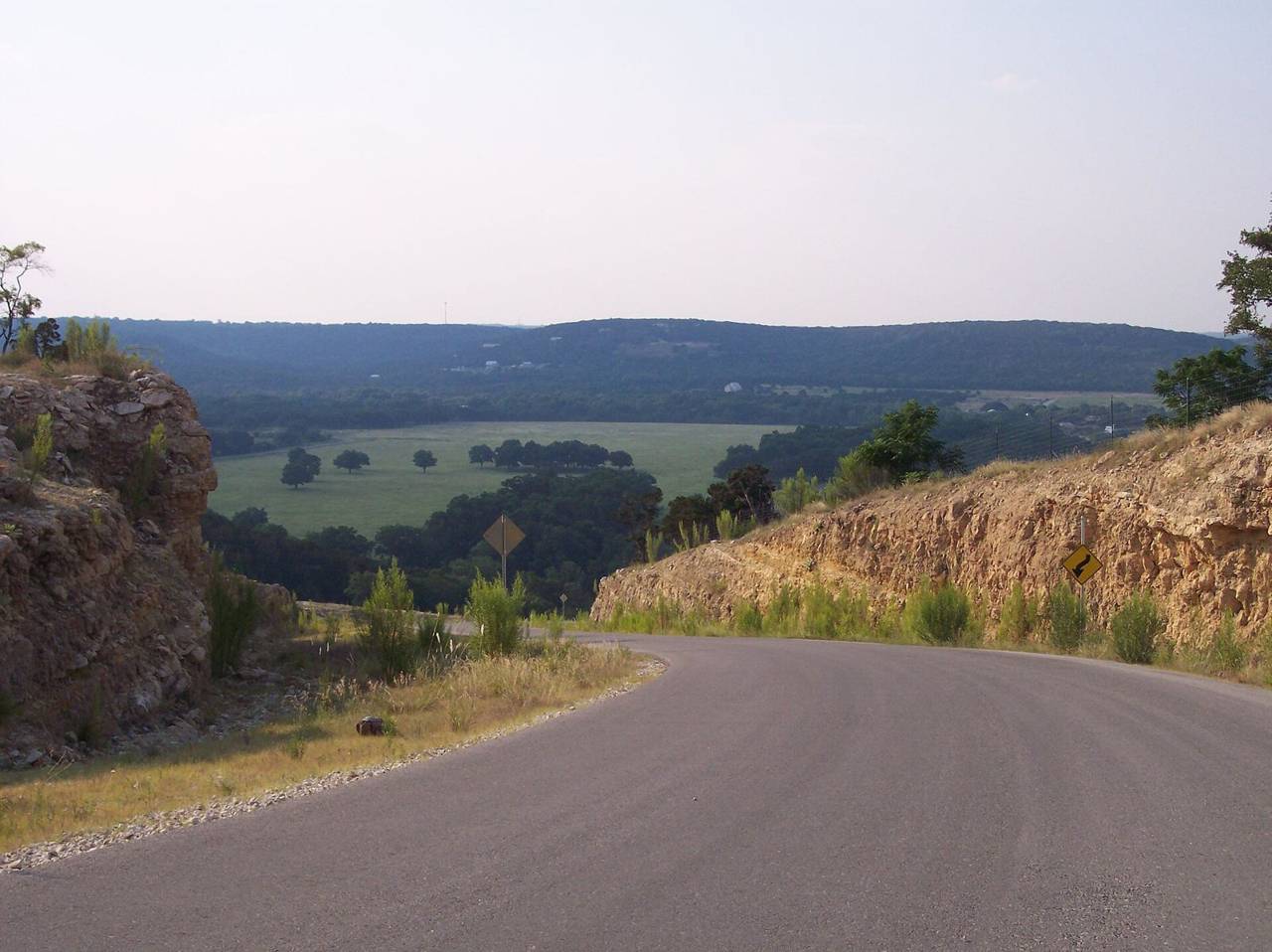
Shallow limestone soils
Much of Bee Cave sits on thin topsoil over caliche and fractured limestone, with clay pockets in low areas. Wastewater has little depth to be treated, so site evaluation and careful design are essential for any new or replacement system. Local knowledge of where rock and clay meet is what keeps a design from failing early.
City, county or LCRA
Bee Cave city limits, unincorporated Travis County and the LCRA lake zone can each have a different permit path. Check the Travis County jurisdiction map or call the city first. Aerobic systems also require a licensed maintenance contract. A short call to the building office can head off a permit mistake.
Sewer is common here
Many newer parts of Bee Cave are on sewer, which is why we focus on acreage and outlying homes. West Travis County Public Utility Agency service areas are specific, so a nearby sewer line does not always mean you can connect. Ask before you assume, because annexation and utility boundaries have shifted over time.
Septic services in Bee Cave
Septic Tank Pumping in Bee Cave
Septic pumping around Bee Cave mostly serves acreage homes and older properties outside the sewer service area. Most tanks need attention every three to five years, depending on size and how many people live in the house. We pump the tank, look at the baffles and effluent filter while it is open, and tell you what we see. Steep driveways and long runs to the tank are common here, so mention access when you call.
Details →Aerobic Septic Maintenance in Bee Cave
Larger homes on rocky Bee Cave lots often use aerobic systems because shallow soil limits conventional drain fields. These units must be under a maintenance contract with a licensed provider. We check the aerator, test the alarm, inspect the spray heads or drip lines, and confirm the disinfection step works. Each visit ends with a written record you can keep for the county, your lender or a future buyer.
Details →Aerobic Septic Repair in Bee Cave
An aerobic system that alarms, smells or leaves the yard wet is telling you something has failed. Around Bee Cave, common causes include clogged spray heads, a worn air pump, a stuck float and a chlorine feeder that is empty. We trace the fault, repair or replace the part, and run the system through a cycle to confirm it works before we leave your property.
Details →Septic Inspections in Bee Cave
A septic inspection is a good idea when buying a Bee Cave home on acreage, since sewer is not guaranteed once you leave the main commercial areas. We locate and open the tank, check levels, baffles and any pump, and look over the drain or spray field. You get a clear written summary, and we explain what is routine wear and what deserves attention before closing.
Details →Septic System Repair in Bee Cave
Septic repair in the Bee Cave area often involves cracked or shifted lines on rocky ground, failed baffles, bad pumps, or roots that have worked into a pipe. We find the exact problem first so that digging stays limited on tight, sloped lots. Then we explain the repair and the likely cost range in plain language so you can decide with confidence. Small fixes caught early usually cost far less than a failed field.
Details →Drain Field Repair & Replacement in Bee Cave
Thin soil over limestone makes drain fields in Bee Cave easy to overload. When the field fails, you may see soggy ground, odors or sewage surfacing. Depending on the lot, repairs may include fixing broken lines, resting a zone, or replacing the field with a design suited to shallow rock. The correct permitting authority reviews replacements, and we help you understand the steps. Catching a wet spot early often saves the whole field.
Details →Septic System Installation in Bee Cave
Installing a septic system near Bee Cave starts with a soil and site evaluation by a licensed professional. Shallow rock, slope and nearby drainages often push designs toward aerobic treatment with spray or drip dispersal. The permit goes through the city, Travis County or the LCRA depending on the address. We explain your options before any equipment shows up. You also get a clear explanation of the permit steps, the likely timeline drivers and what the county or city will want to see.
Details →Emergency Septic Service in Bee Cave
If sewage is backing into your Bee Cave home, an alarm will not stop, or wastewater is surfacing in the yard, stop using water and keep people and pets away. Call us so we can check the tank, pump and lines to find the cause. We tell you what can be repaired on the spot and what needs a follow-up visit once conditions allow.
Details →Septic Risers & Lids in Bee Cave
Many older homes around Bee Cave still have tank lids buried under turf or landscaping. Digging them up for every service is slow and messy. A riser brings the access point to ground level, with a secure lid that keeps kids and pets safe. We size and seal the riser to fit your tank and make sure it is easy to find next time.
Details →Bee Cave septic FAQs
Is Bee Cave on septic or sewer?
Much of the developed city around RR 620 and SH 71 is served by sewer, so many homes there have no septic tank. Acreage, older homes and outlying roads may still use septic. Check your utility bill for a wastewater charge, or ask the city or Travis County about the records for your address before assuming either way. Keeping a copy of your permit and service records makes every later step easier.
Who issues septic permits in Bee Cave?
Inside city limits, Bee Cave lists septic installation and repair as work needing a city permit. In unincorporated Travis County, Transportation and Natural Resources handles permits under TCEQ rules. Lots close to Lake Travis may fall under the LCRA program. Use the county jurisdiction map or call the city to confirm which applies to you. Calling the right office first can save weeks of back and forth on paperwork.
Why do septic systems fail on rocky Bee Cave lots?
Shallow soil over limestone gives wastewater little room to be treated before it hits rock or runs sideways. Slopes and heavy rain make it worse. Poor placement, overuse and missed maintenance all add stress. A proper site evaluation and regular pumping or service greatly lower the chance of an early failure. Planting grass over the field and keeping heavy vehicles off it also helps the system last longer.
Do I need a maintenance contract for an aerobic system?
Yes. Texas rules require aerobic treatment systems to be covered by a maintenance contract with a licensed maintenance provider. The contract keeps the aerator, pump, disinfection and spray components inspected on a schedule. Your permitting authority can tell you the exact requirement for your system, including how long the first contract must run. The first contract is often the most thorough, since the provider documents how the system was installed and set up.
How do I know when to pump my tank?
A common guide is every three to five years for a conventional tank, but a larger family, a disposal or a small tank can shorten that. Warning signs include slow drains, gurgling and odors. A technician can measure sludge and scum levels to set a schedule that fits your home and avoids pumping too early or too late. Pumping on a regular schedule is far less costly than repairing a field that was overloaded with solids.
All septic services in Bee Cave
- 01
Septic Tank Pumping
Routine septic tank pumping for Hill Country homes, with clear explanations of what comes out, how often to schedule it and why it matters.
Learn more - 02
Aerobic Septic Maintenance
Routine aerobic septic maintenance that keeps your system running and your paperwork in order, from inspections to reports and tag updates.
Learn more - 03
Aerobic Septic Repair
Diagnosis and repair of aerobic septic systems, including air pumps, alarms, spray heads, control panels and disinfection units.
Learn more - 04
Septic Inspections
Septic inspections for home buyers, sellers and owners, with a clear look at tanks, baffles, drain fields and aerobic components.
Learn more - 05
Septic System Repair
Septic system repair for tanks, baffles, pipes, filters and lids, with honest diagnosis and clear options before any work begins.
Learn more - 06
Drain Field Repair & Replacement
We diagnose failing drain fields and spray or drip areas, then repair or replace them to suit your Hill Country soil.
Learn more - 07
Septic System Installation
We install conventional and aerobic septic systems designed around Hill Country soil, from site evaluation through final inspection.
Learn more - 08
Emergency Septic Service
When a septic backup, alarm or overflow cannot wait, we help you make the situation safe and get to the real cause.
Learn more - 09
Septic Risers & Lids
We install and replace septic risers and secure lids so your tank is easy to reach, safe to cover and ready for service.
Learn more
Need septic service in Bee Cave?
Call or send a request. We will ask a few questions about your system and the property, then schedule a visit.