Where we work
Septic service areas in the Texas Hill Country
Based in Dripping Springs, we work on septic and aerobic systems across Hays, western Travis, Burnet and Blanco Counties.
Septic service from Dripping Springs outward
Our home base is Dripping Springs, on the US-290 corridor in western Hays County. From there, the area we cover runs south on RR 12 toward Wimberley, along FM 150 through Driftwood, and west on US-290 to Henly and Johnson City. To the north it reaches Bee Cave, Lakeway and Spicewood near Lake Travis. To the east it covers the rural edges of Buda, Kyle, San Marcos and Southwest Austin.
The towns on this page have one thing in common. Many homes in and around them sit outside city sewer and rely on their own septic system. Beyond that, they differ a lot. The ground, the age of the homes and the office that issues permits can all change from one town to the next. Each town page covers what we see there and what homeowners should know.
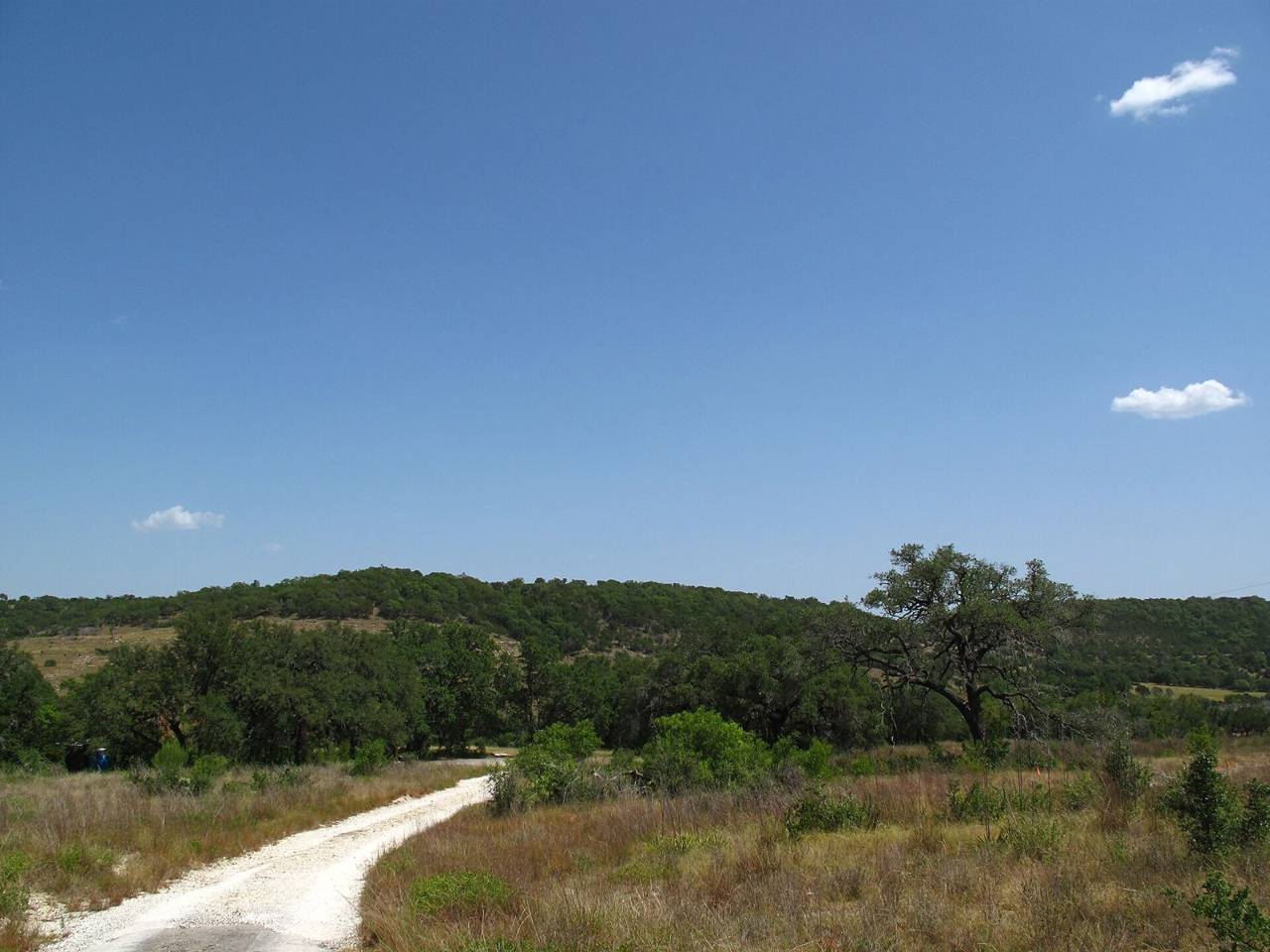
Hays County is home base. Dripping Springs, Driftwood, Henly and Wimberley are mostly rural lots and acreage on septic, often with aerobic systems on thin soil over limestone. Buda, Kyle and San Marcos are different. Their city centers are on sewer, so our work there is on the rural edges and outlying subdivisions that sit past the sewer lines.
- Dripping Springs Dripping Springs is our home base, and we service septic and aerobic systems across town and the acreage around it. We work with the limestone, the shallow soil and the Hays County permit process every day. Septic service in Dripping Springs
- Driftwood Driftwood is a spread-out Hays County community where almost every home treats its own wastewater. Here is what septic and aerobic owners on its rocky acreage should know. Septic service in Driftwood
- Wimberley Wimberley's rocky hillsides, spring-fed creeks and Trinity Aquifer water make septic care especially important. Here is how septic and aerobic systems work in the Wimberley Valley. Septic service in Wimberley
- Henly Henly is a small, rural Hays County community on US-290 where every home handles its own wastewater. Here is what owners of older farmsteads and newer acreage homes should know. Septic service in Henly
- Buda Most of central Buda is on city sewer, but acreage and older subdivisions around it use septic. Here is what those owners should know about Buda's clay and limestone ground. Septic service in Buda
- Kyle Most of Kyle is on city sewer, but rural acreage and older pockets around it still rely on septic. Here is what those owners should know about Kyle's clay soils and creeks. Septic service in Kyle
- San Marcos San Marcos sits on the Balcones Escarpment where the Hill Country meets the blackland prairie, and the rural edges of town depend on septic systems. We service homes on acreage, ranch properties and outlying subdivisions around the city. Septic service in San Marcos
In western Travis County we work in Bee Cave, Lakeway and Southwest Austin. Much of Bee Cave and Lakeway is on sewer, but older lots, larger tracts and homes on the hills near Lake Travis still use septic. Southwest Austin has a mix of city sewer and septic, and which office handles your permit depends on exactly where the property sits.
- Bee Cave Bee Cave is a busy retail and residential hub on RR 620 and SH 71, but homes on acreage and the rural edges still rely on septic. We serve those properties with honest advice about what is and is not on sewer. Septic service in Bee Cave
- Lakeway Lakeway wraps around Lake Travis and most of the city is on sewer, but some lake-area lots and outlying acreage still use septic systems. We help those homeowners with pumping, inspections and repairs. Septic service in Lakeway
- Southwest Austin Most of Southwest Austin is on city sewer, but older acreage, creekside lots and rural pockets near Oak Hill and Bear Creek still use septic. We serve those homes with careful, local-aware service. Septic service in Southwest Austin
Spicewood straddles the Travis and Burnet County line west of Lake Travis along SH 71. Most homes here are on septic, and the permitting office can change from one property to the next depending on the county and how close the lot is to the lake.
Johnson City sits on US-290 in Blanco County, near the Pedernales River. Ranch land and rural homes around town rely on septic, and the ground can change quickly from deep soil in the valleys to rock on the hills.
Who handles septic permits in your area
Texas septic rules come from the Texas Commission on Environmental Quality (TCEQ), under 30 TAC Chapter 285. Day to day, permits and inspections are run by local offices called authorized agents. Around the Hill Country, several of them overlap. Here is a plain guide to who you will likely deal with. Rules change, so always confirm with the office before you start a project.
Hays County Development Services
Handles septic permits for most of Hays County, including the Dripping Springs, Driftwood, Wimberley and Henly areas. New aerobic systems in Hays County come with a required initial two-year maintenance contract with a licensed provider. After that, the owner must keep the system maintained, and a new owner must file a maintenance contract with the county after a sale.
Travis County
Travis County Transportation and Natural Resources handles septic permits in unincorporated Travis County, outside city limits. The county has its own rules for septic systems on top of the state rules, and applications go through its online permit system. Ask about inspections, because new systems are checked at several stages.
City of Austin (Austin Water)
Inside the City of Austin's septic jurisdiction, Austin Water runs the program. This matters in parts of Southwest Austin. The city has its own code on top of state rules and an online map that shows whether a property falls under the city and whether it sits over the Edwards Aquifer recharge zone or the Barton Springs zone.
LCRA near Lake Travis
The Lower Colorado River Authority handles septic permits in a zone that reaches about 2,000 feet from Lake Travis. That can include lakeside homes near Lakeway, Bee Cave and Spicewood. If your property is close to the lake, check with LCRA before you assume the county is the right office.
Burnet County
Burnet County handles septic permits for the Burnet County side of Spicewood, outside the LCRA lake zone. The county asks for a 911 address and a building permit before a septic permit, so plan for those steps on any new build.
Blanco County
Johnson City and the rest of Blanco County have their own arrangements for septic permits. The rules and the right office can depend on where the property is, so check with the county before you plan a new system or a major repair.
Where sewer ends and septic begins
City sewer lines cost a lot to build, so they follow the dense parts of town. Once lots get bigger and the roads get longer, the lines usually stop. Past that point, each home treats its own wastewater with a septic system. In the Hill Country, that edge can be close to downtown. A home a mile or two off the main highway may be on septic even though the shopping center down the road is on sewer.
In Buda, Kyle and San Marcos, most homes inside the city are on sewer. Our work there is on the acreage and older subdivisions out on the county roads. Bee Cave and Lakeway are similar, with large sewered areas and pockets of septic on bigger lots and near the lake. Southwest Austin is a patchwork, so check your own bill or permit records.
Farther west, septic is the rule. Most homes around Dripping Springs, Driftwood, Wimberley, Henly, Spicewood and Johnson City rely on their own systems. Many use aerobic units because the soil is too thin for a standard drain field.
How your location shapes your septic system
Soil depth and rock
West of the I-35 corridor, soil often thins out to a few inches over limestone or caliche. Effluent cannot soak into solid rock, so systems in Dripping Springs, Wimberley and Henly often use spray or drip dispersal. Valleys and creek bottoms can have deeper soil, while clay pockets drain slowly and hold water after rain.
Slopes and creeks
Steep lots shed water fast, which can push runoff across a spray field or wash soil off a drain field. Much of the area drains to Onion Creek, Barton Creek, the Blanco River or the Pedernales River. Setbacks from creeks, wells and property lines limit where a system can go.
The aquifers
Parts of the region sit over the Edwards Aquifer recharge and contributing zones, and many rural homes draw water from wells in the Trinity Aquifer. A failing septic system here can reach the same groundwater people drink, which is one reason local rules can be strict.
Age of the home
Older ranch homes may have a conventional tank that has not been opened in years, with lids buried under rock. Newer homes built on acreage are more likely to have an aerobic unit with a maintenance contract. Both need care, but they need different kinds of care.
Service area FAQs
More answers are on our FAQ page, and every service is listed on our services page.
How do I know if my home is on septic or sewer?
Look at your water bill. If it includes a wastewater or sewer charge, you are probably on sewer. If it only covers water, or you have a private well, you are likely on septic. You can also look for tank lids, spray heads or a control panel in the yard. Your county or city permit office can often look up whether a septic permit exists for your address.
Do you only work in the towns listed here?
These are the areas we focus on, centered on Dripping Springs. The towns cover a wide stretch of the western Hill Country, and many homes sit between them on ranch roads and county roads. If you live near one of these towns but are not sure we reach your address, call and ask.
Why is septic permitting handled by so many offices?
The state agency, TCEQ, sets the basic septic rules for Texas under 30 TAC Chapter 285. It then lets local "authorized agents" run permits and inspections. Counties, some cities and some river authorities fill that role, and each one can add stricter local rules. That is why a home near Lake Travis may go through a different office than a home a few miles away.
My town has sewer. Why would I need septic service?
City sewer often stops at the edge of town or at older neighborhoods. Homes on acreage, older subdivisions and lots out on the county roads may still use septic even if the town center is fully on sewer. This is common around Buda, Kyle, San Marcos, Bee Cave and Lakeway.
Can I switch from septic to sewer?
Sometimes. It depends on whether a sewer line runs close to your property, what the city or utility charges to connect and whether your lot is inside its service area. If you do connect, the old tank usually has to be pumped and properly abandoned under local rules. Ask your city or utility first, then plan the septic side of the work.
Not sure if we reach your property?
If you live near any of these towns, call and tell us your address. We will let you know if we can help.